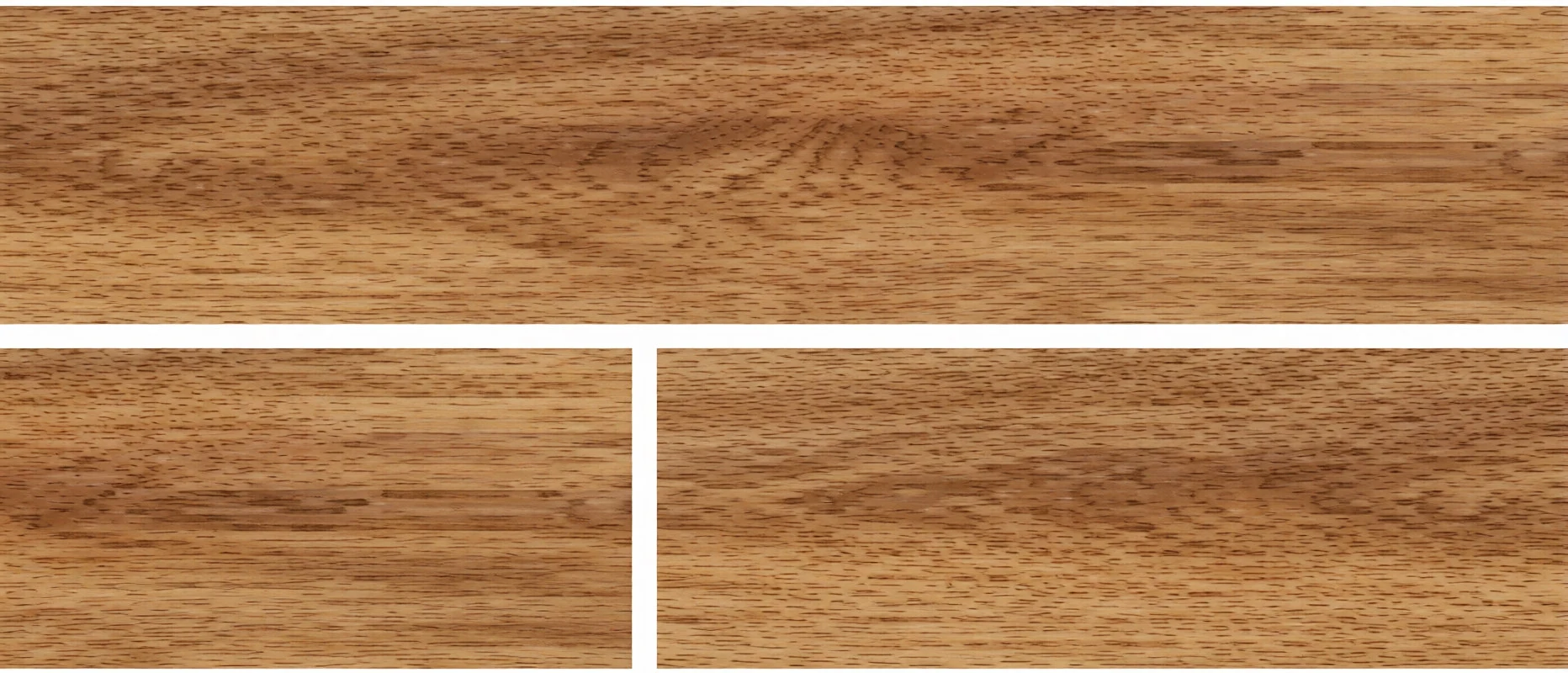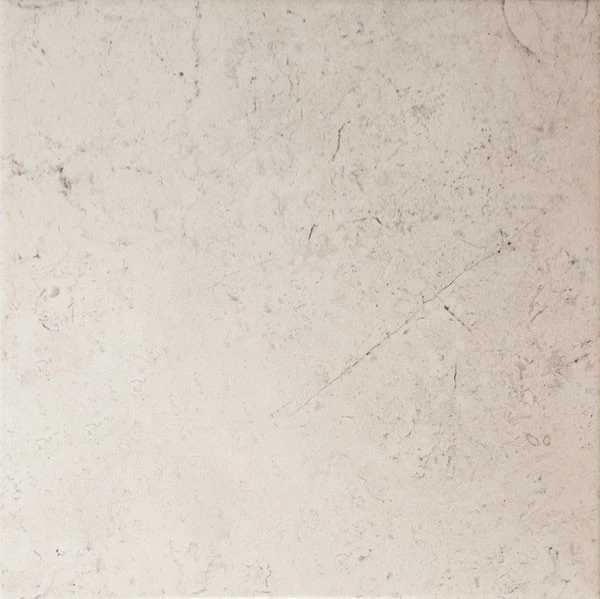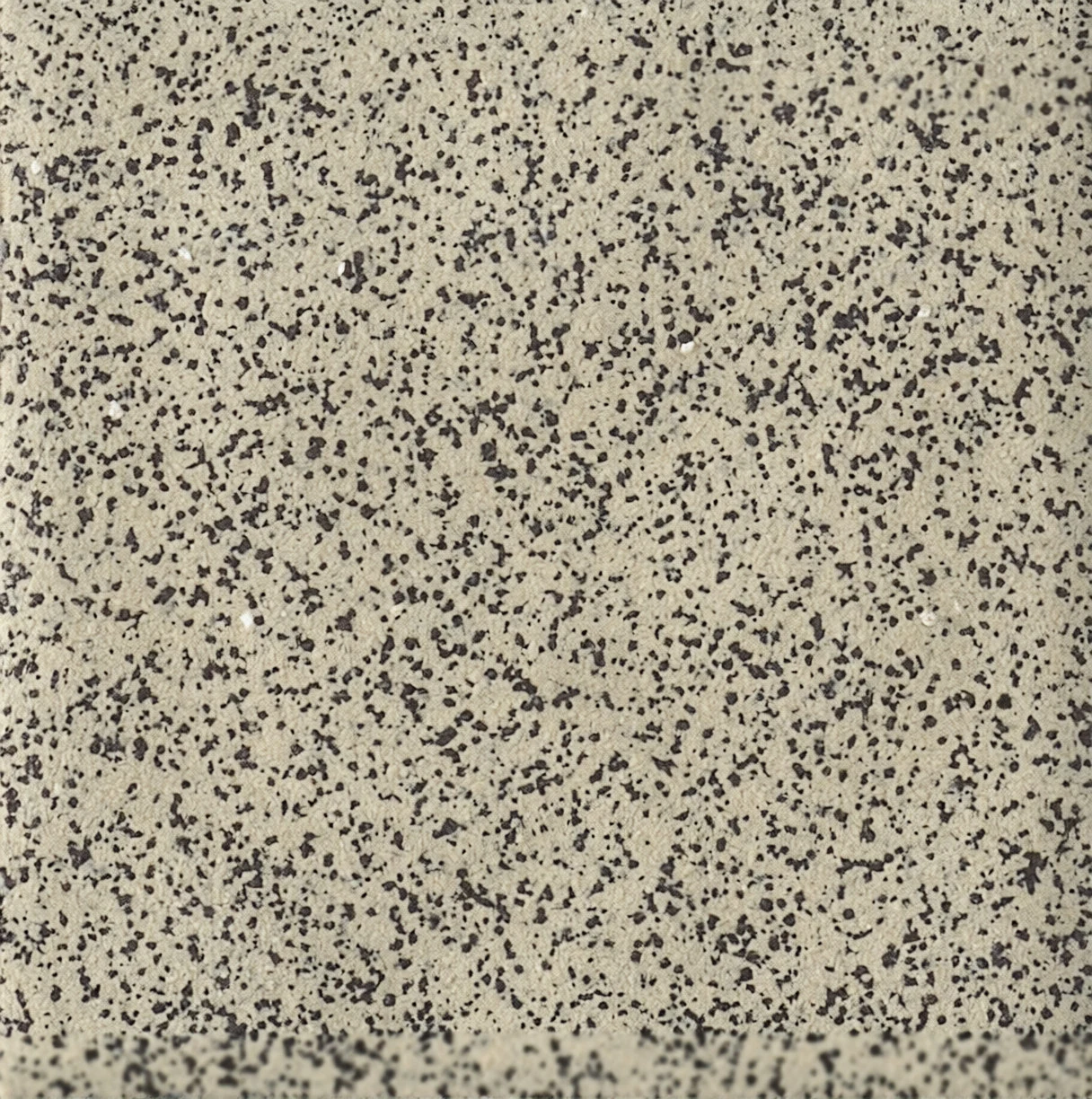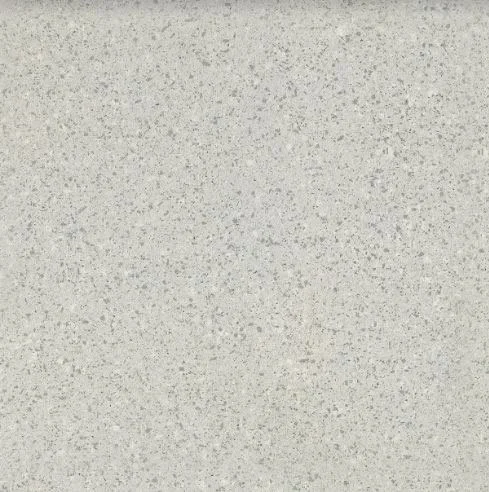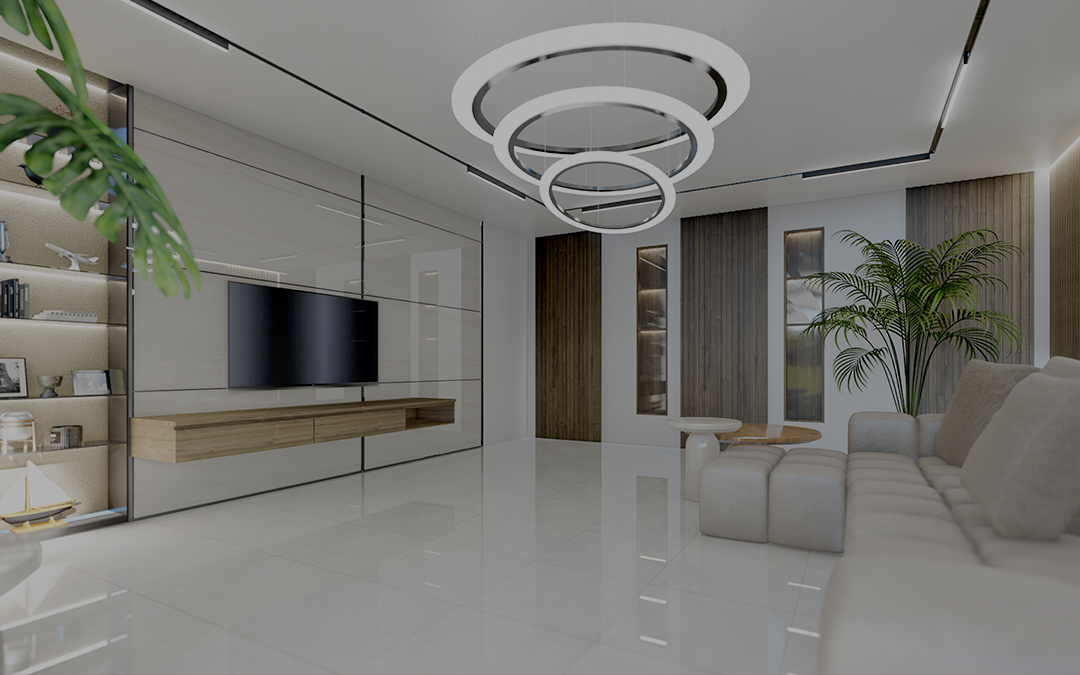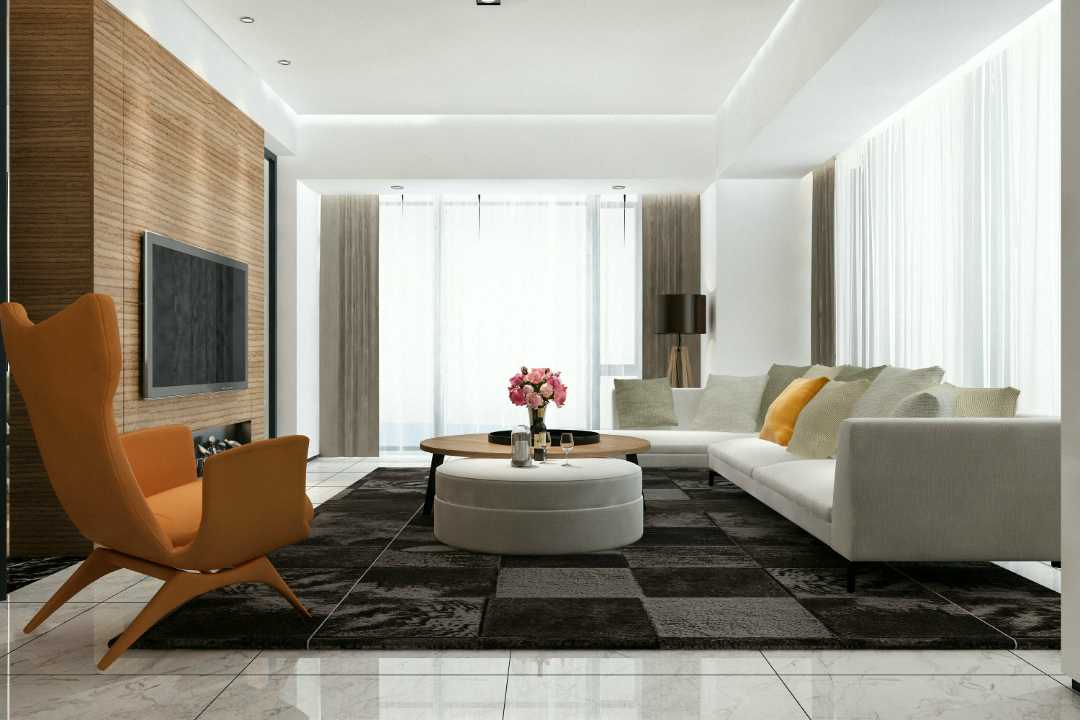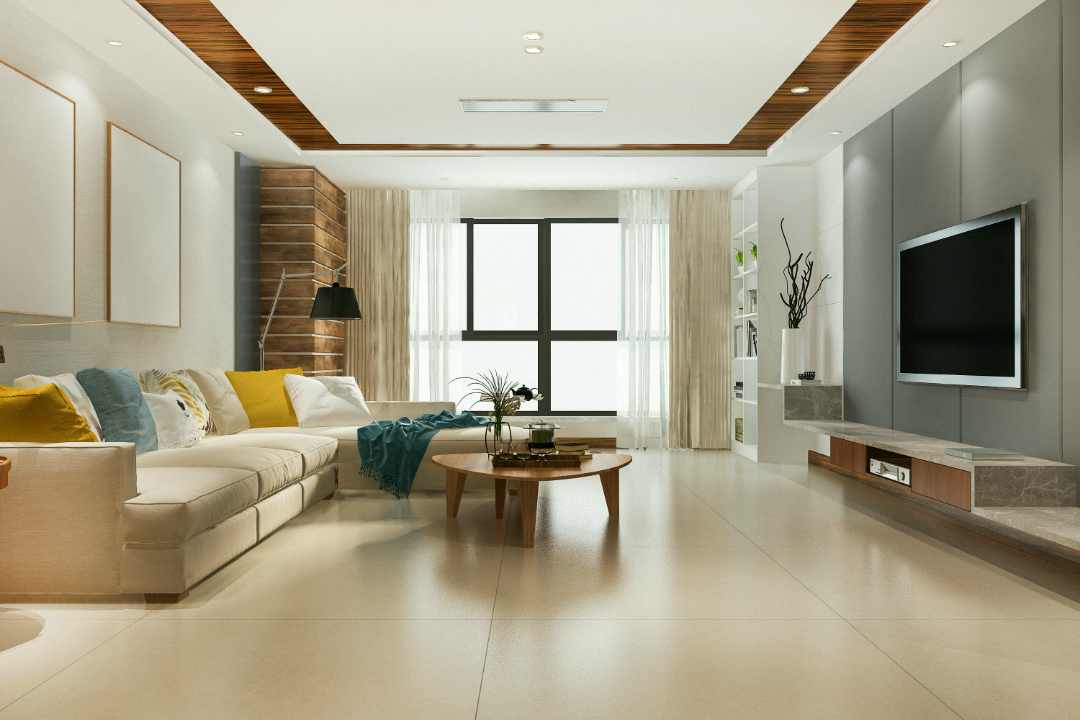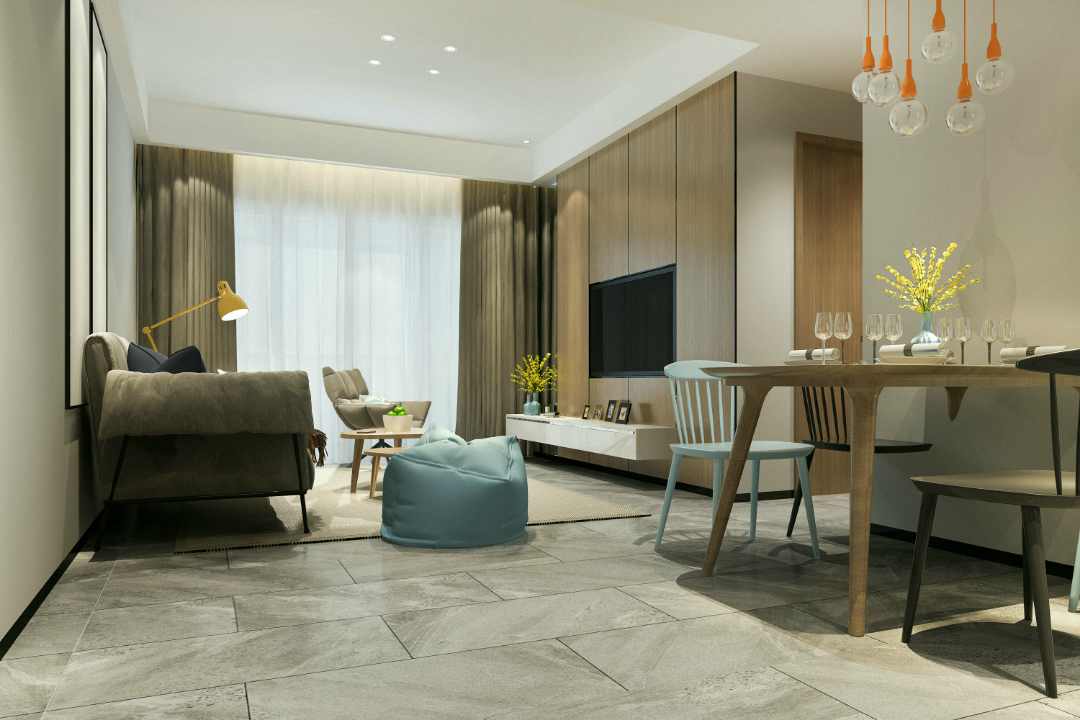
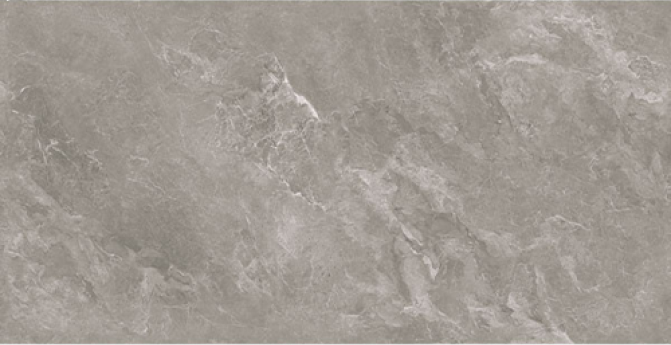
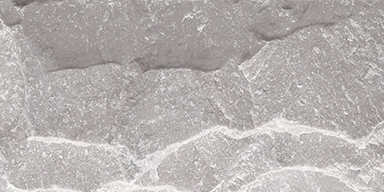
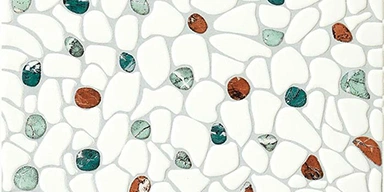
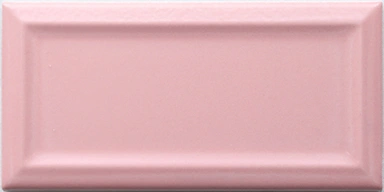
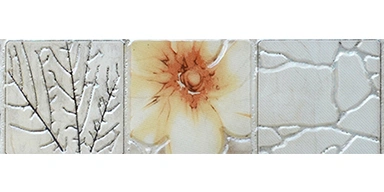
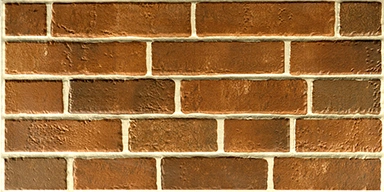


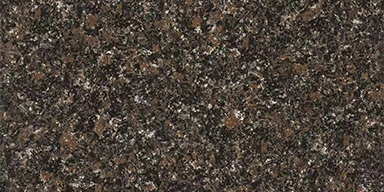
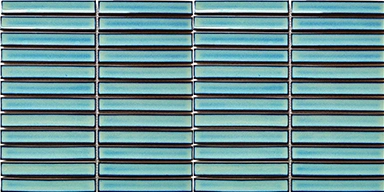
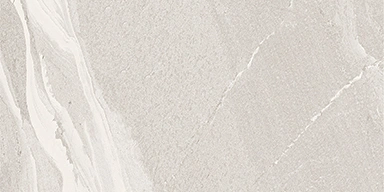

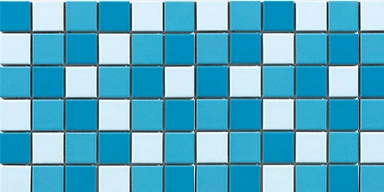
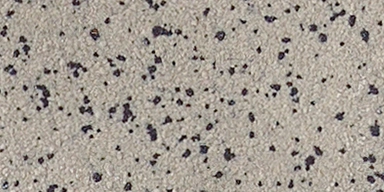
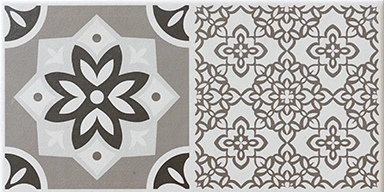

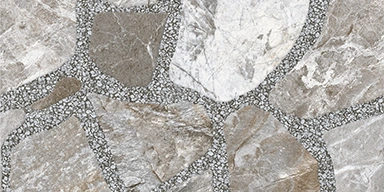

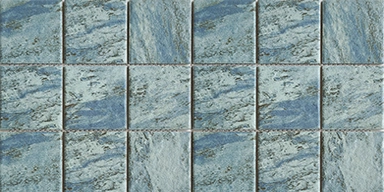


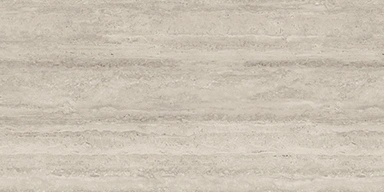
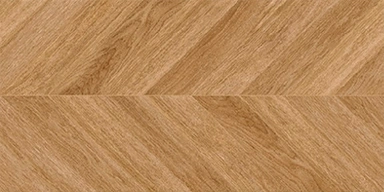




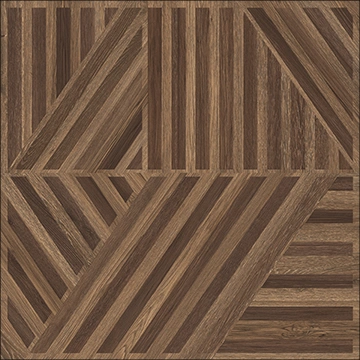


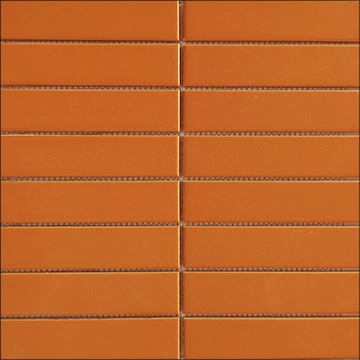


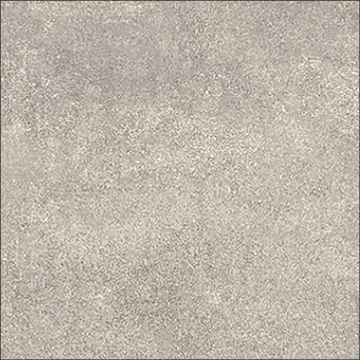
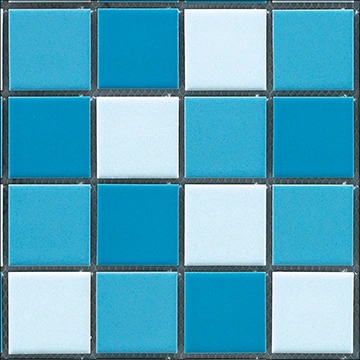

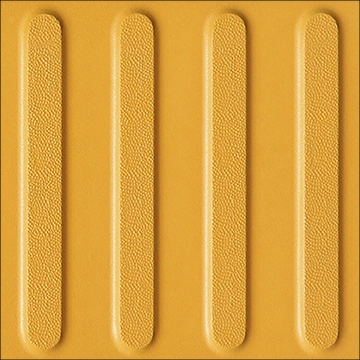

M6633 [60x60]
Choosing the perfect tile is not just about color, texture, or design—tile size also plays a major role in how a space looks and functions. The right tile size can make a room feel larger, create a more balanced appearance, and even reduce maintenance over time.
Whether you're renovating a bathroom, updating a kitchen, or designing your dream home, understanding how tile size affects a space can help you achieve the best results.

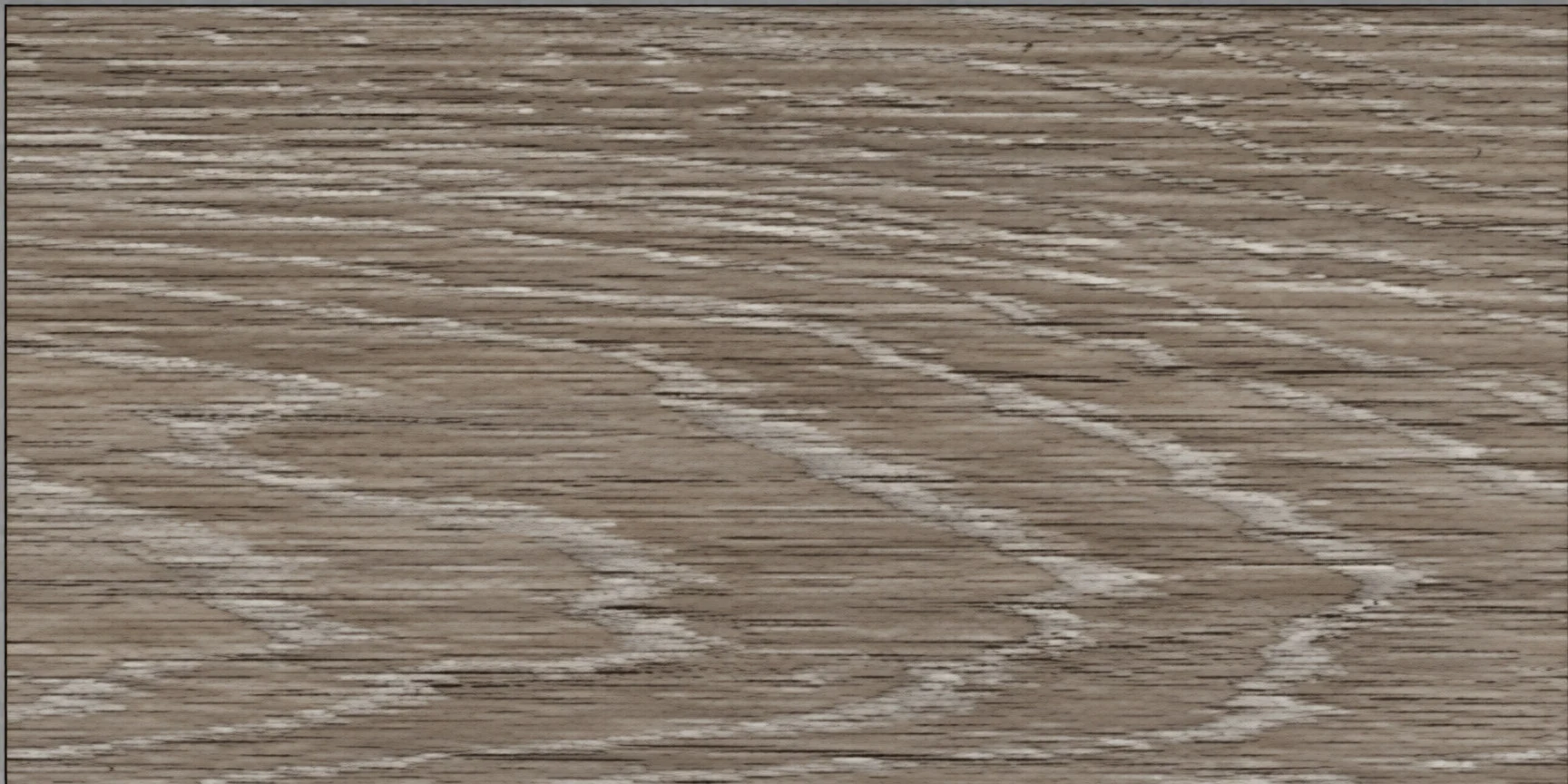
7893 [60x120]
One of the most important factors when selecting tile size is the overall size of the room.
Contrary to popular belief, large tiles are not only for large spaces. In fact, larger tiles can make small rooms appear more spacious because they create fewer grout lines, resulting in a cleaner and more seamless look.
Smaller tiles, on the other hand, can add detail and visual interest, especially in compact areas or decorative applications.
Before choosing a tile size, take accurate measurements of the room and consider how the tile proportions will fit within the space.

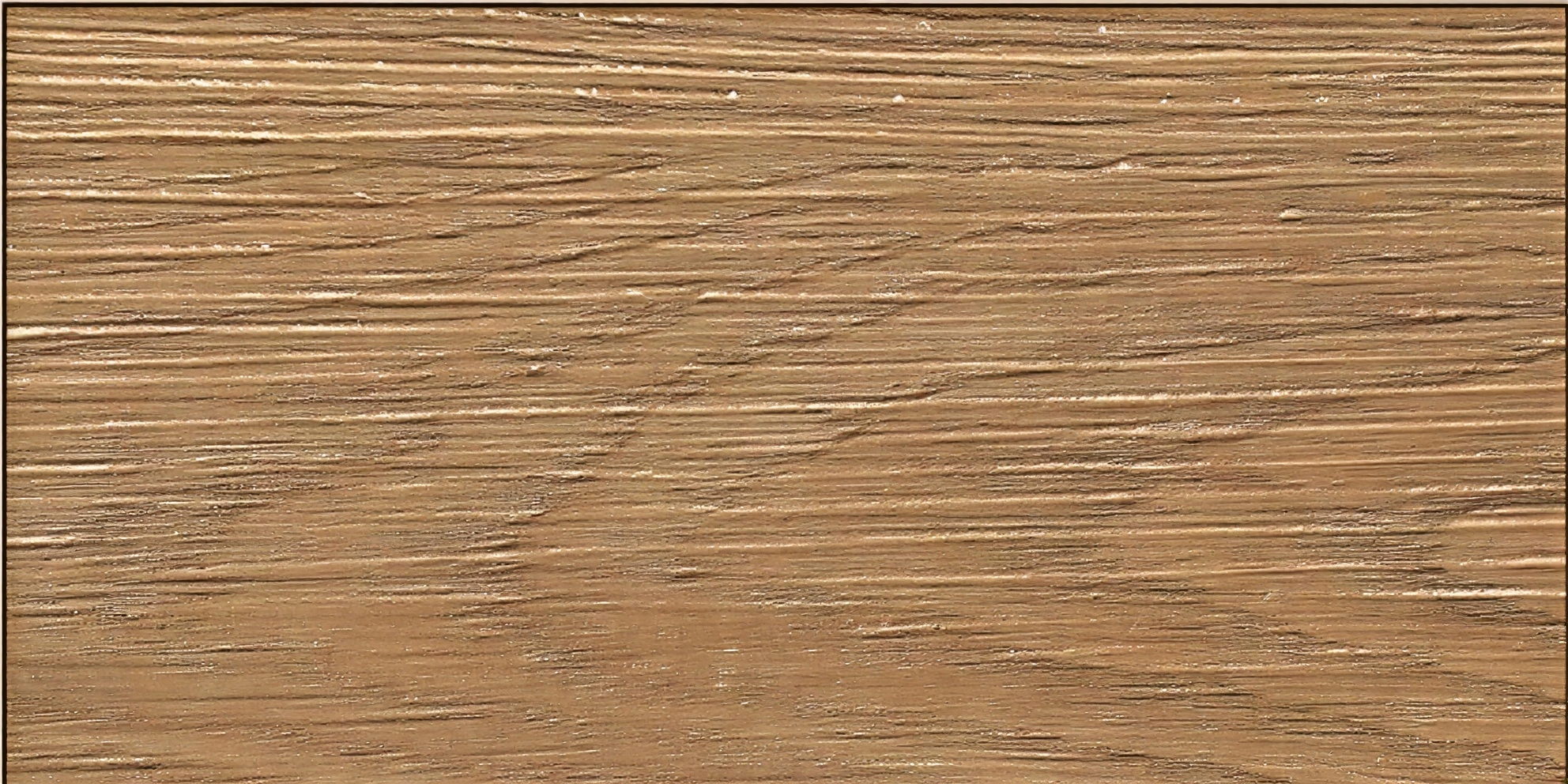
M6633 [60x60]
Tiles come in a variety of sizes, each offering a different visual effect.
Some of the most commonly used tile sizes include:
30x30 cm – Suitable for bathrooms, utility areas, and smaller spaces.
30x60 cm – A versatile size commonly used for walls and floors.
60x60 cm – Popular for modern residential interiors.
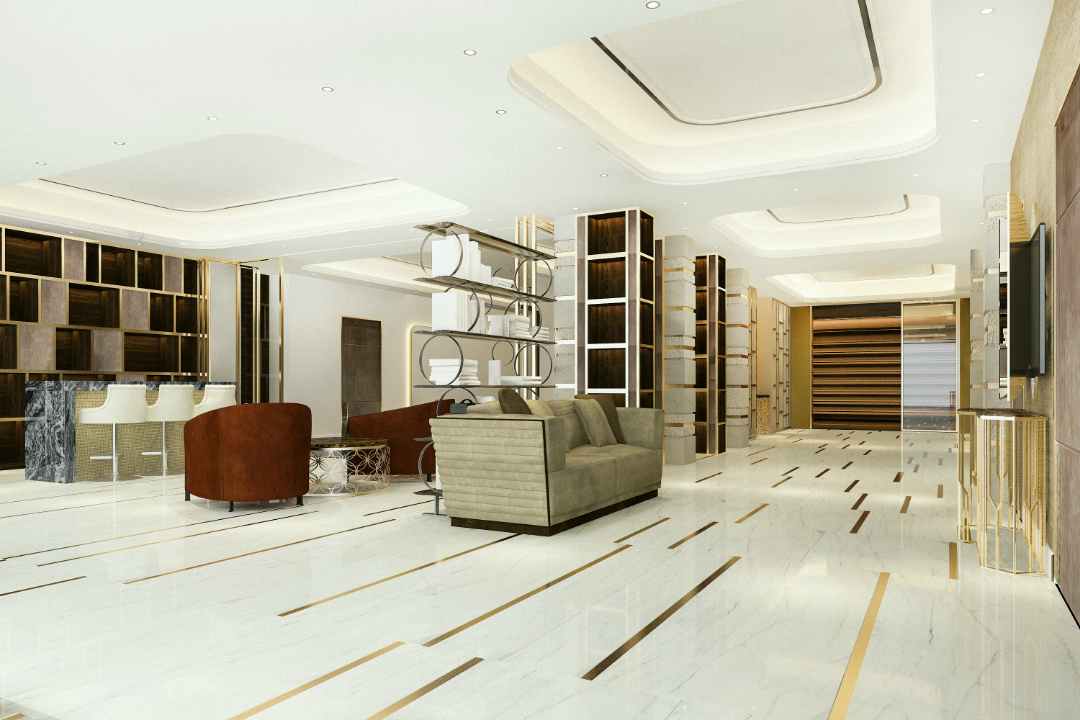
60x120 cm and larger – Ideal for creating a spacious and luxurious look for both walls and floors and also commonly used for countertops.
Wood-look planks such as 20x100 cm – Perfect for achieving the appearance of natural wood flooring.
Understanding the available tile sizes can help narrow down the best option for your project.

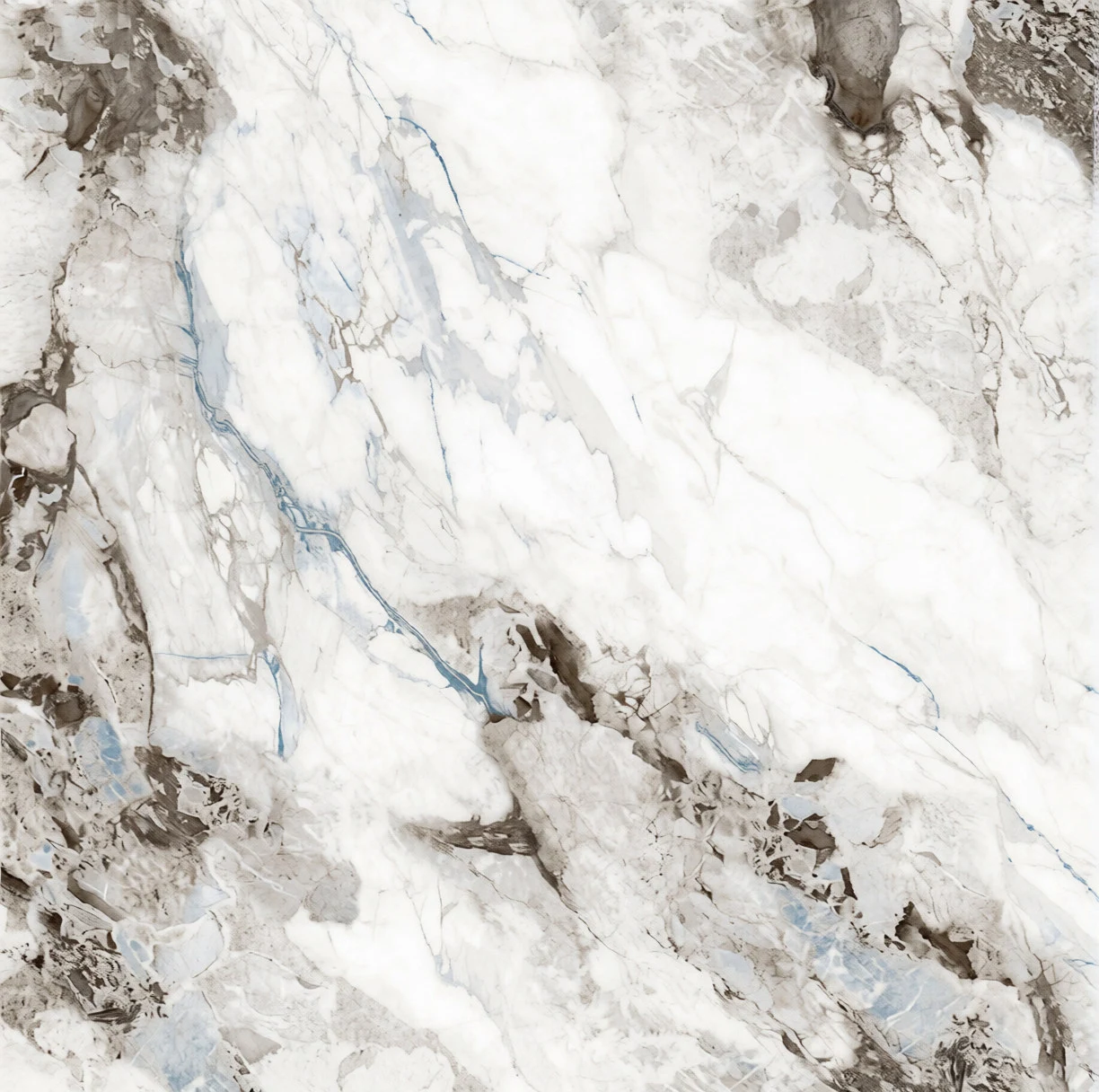
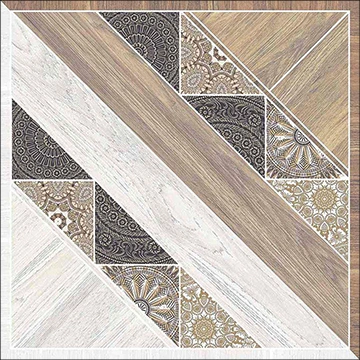
6653M [60x60]
Different rooms may benefit from different tile sizes.
Living Rooms
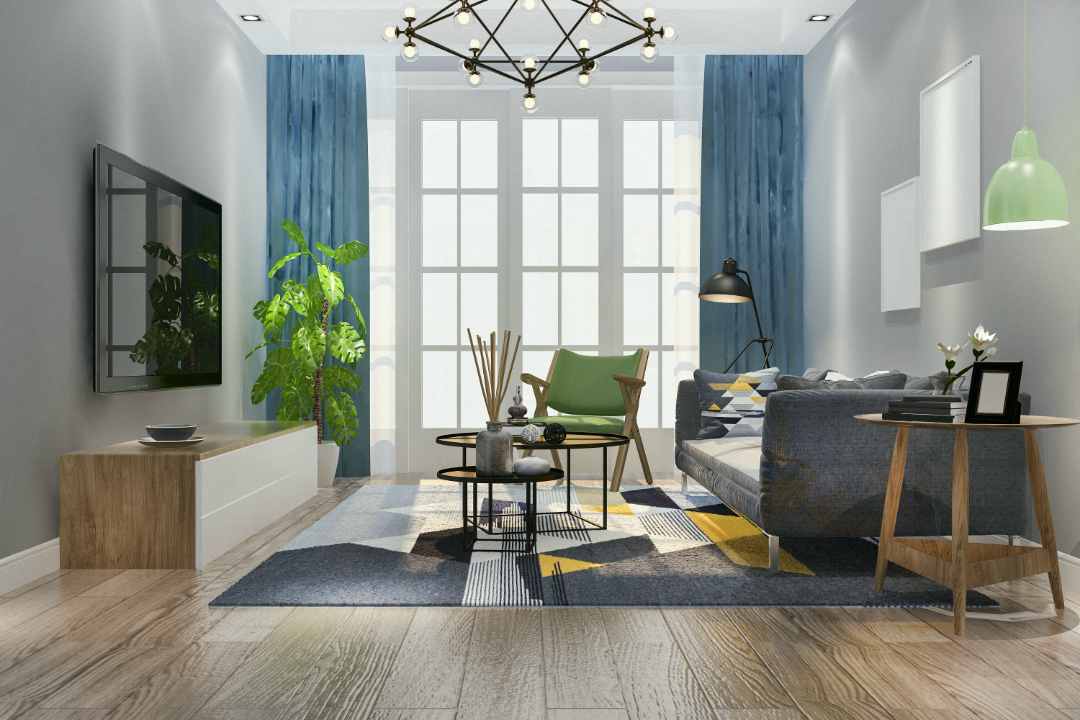
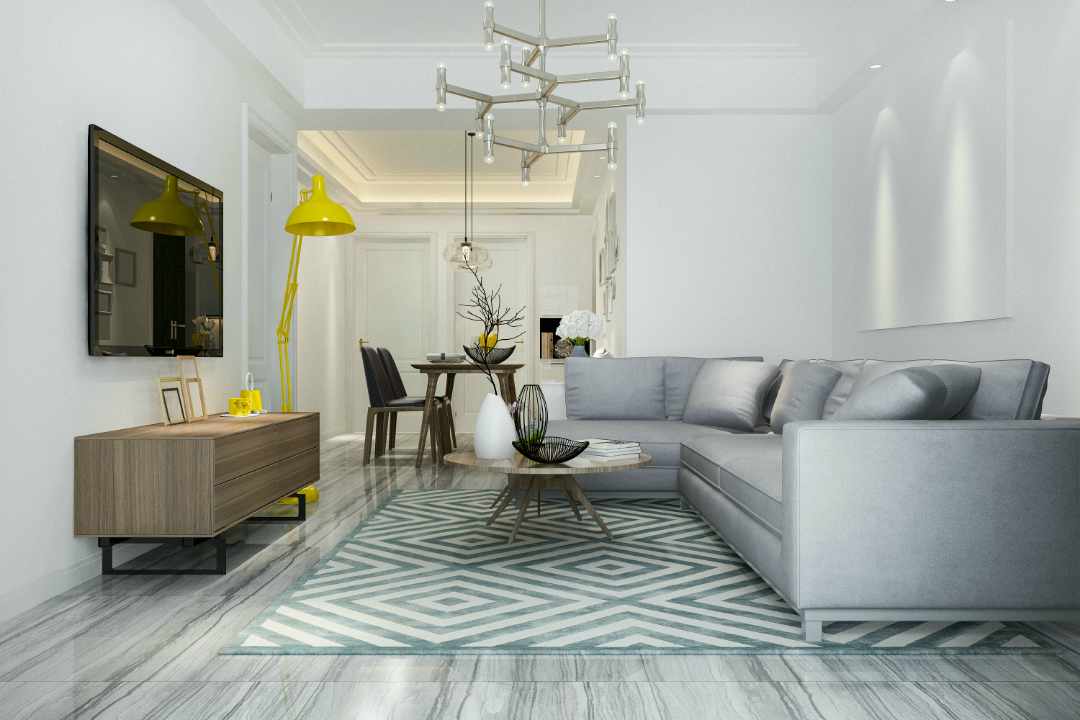
Large-format tiles are often preferred for living rooms because they create a sleek and modern appearance. Their minimal grout lines help make the area feel more open and cohesive.
Bathrooms
Medium-sized tiles are commonly used in bathrooms because they balance aesthetics and functionality. Smaller tiles may also be used for shower floors where additional grip is needed.
Kitchens
Both medium and large-format tiles work well in kitchens. The right choice depends on the room layout and overall design style.
Outdoor Areas
For patios, balconies, and other outdoor spaces, larger tiles can create a clean and elegant look while maintaining durability.

26700M [60x120]
Tile size directly affects the number of grout lines in a space.
Larger tiles typically require fewer grout joints, resulting in:
 Easier cleaning and maintenance
A more seamless appearance
A cleaner and more modern aesthetic
Smaller tiles naturally create more grout lines, which can add texture and design interest but may require more frequent cleaning.
Balancing appearance and maintenance needs is an important part of selecting the right tile size.

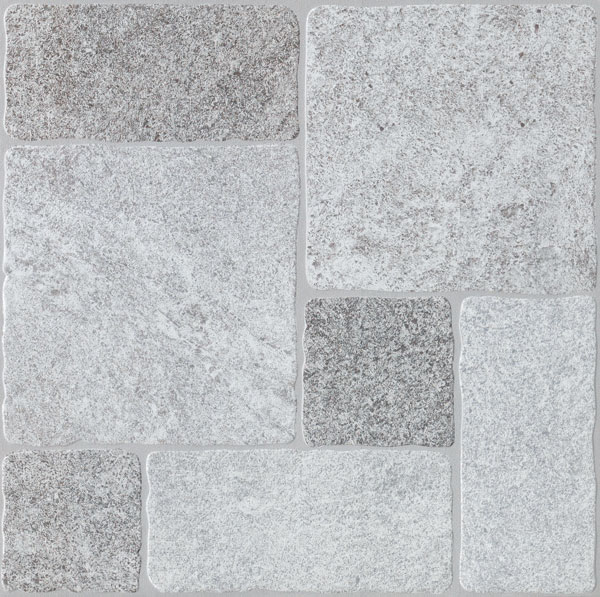
KK02 [30x30]
The tile size you choose can influence the overall mood and style of a room.
Large-format tiles often complement:
Modern interiors
Minimalist designs
Contemporary spaces
Smaller tiles are commonly used for:
Decorative accents
Mosaic applications
Traditional and detailed designs
Choosing a tile size that aligns with your preferred design style can help create a cohesive and visually appealing space

35YE [90x180]
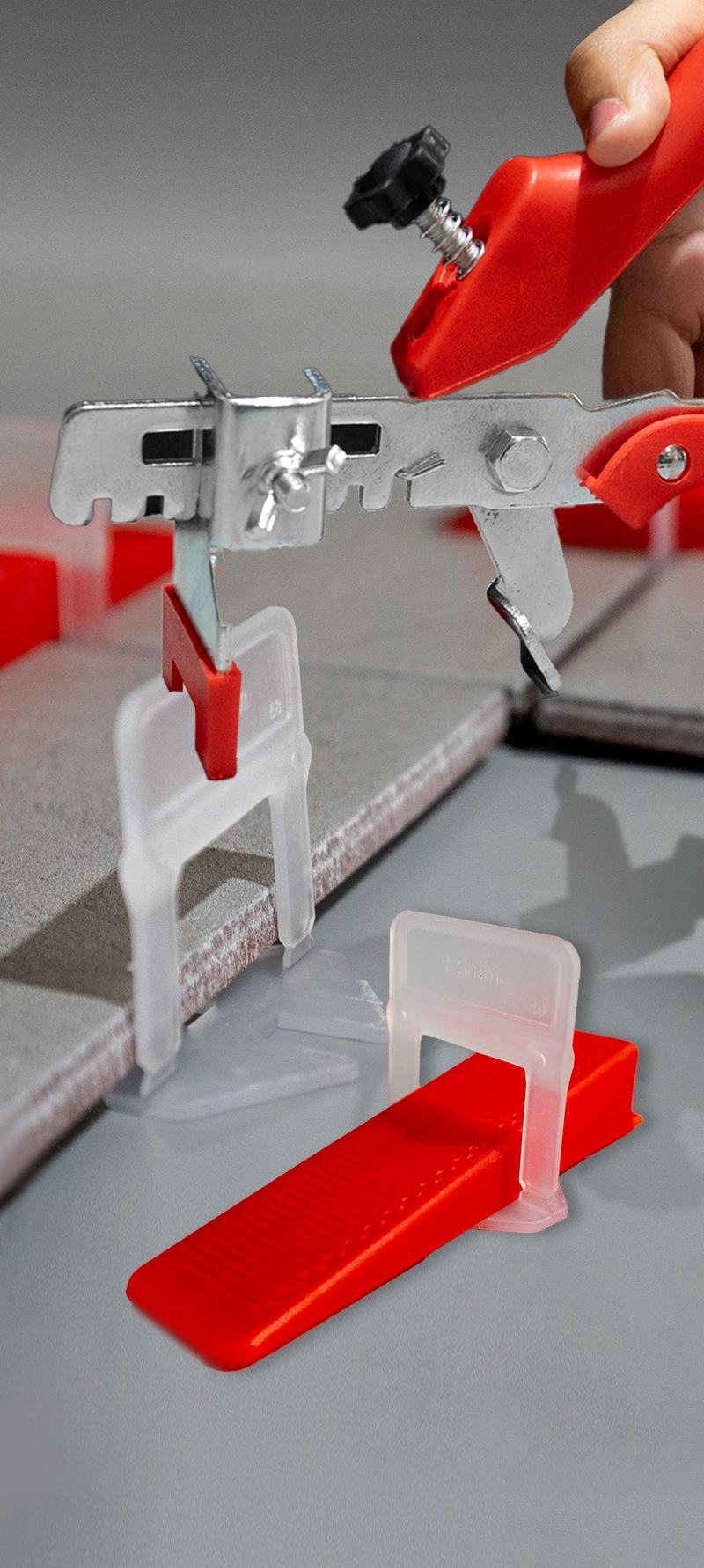
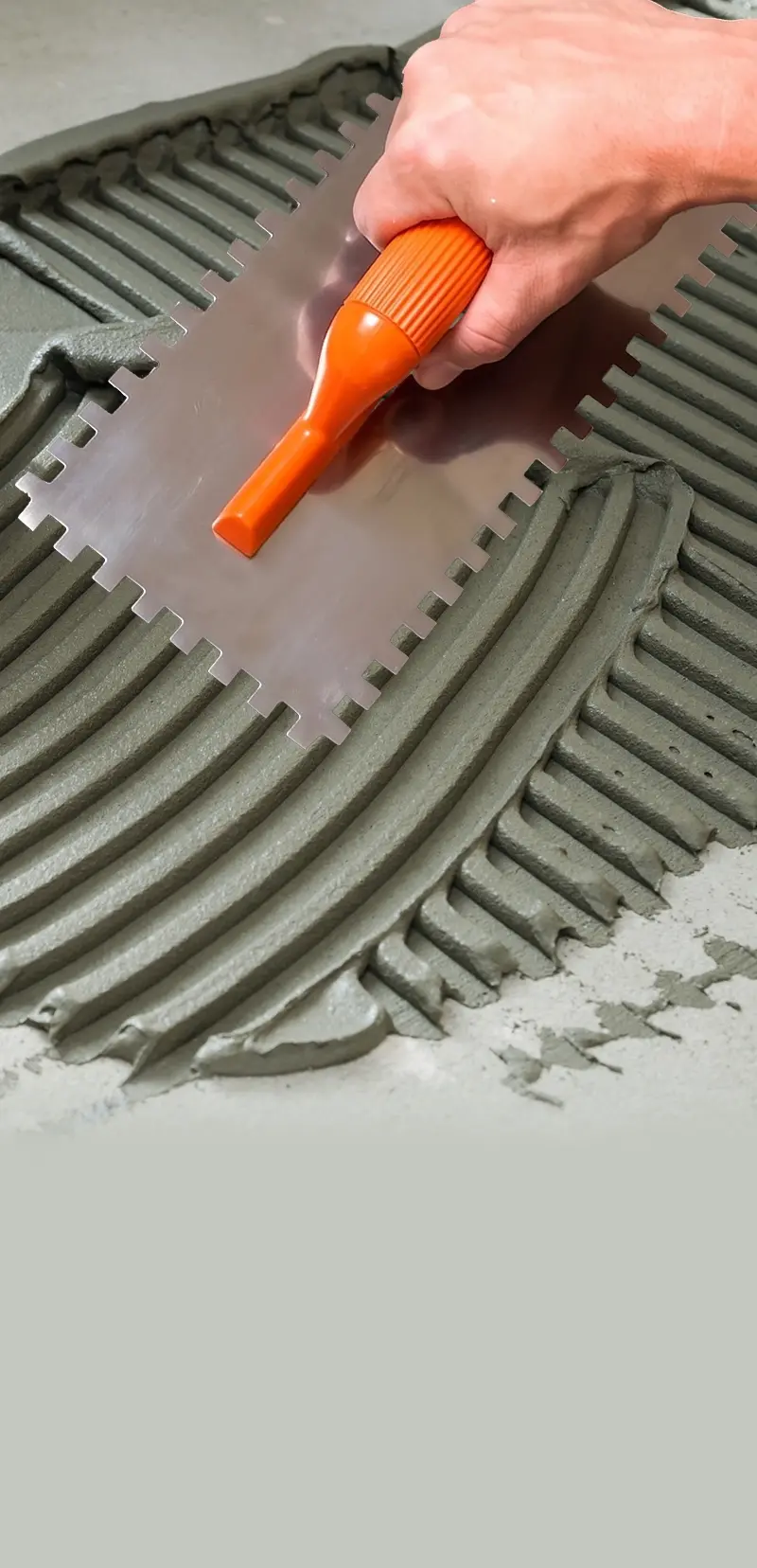
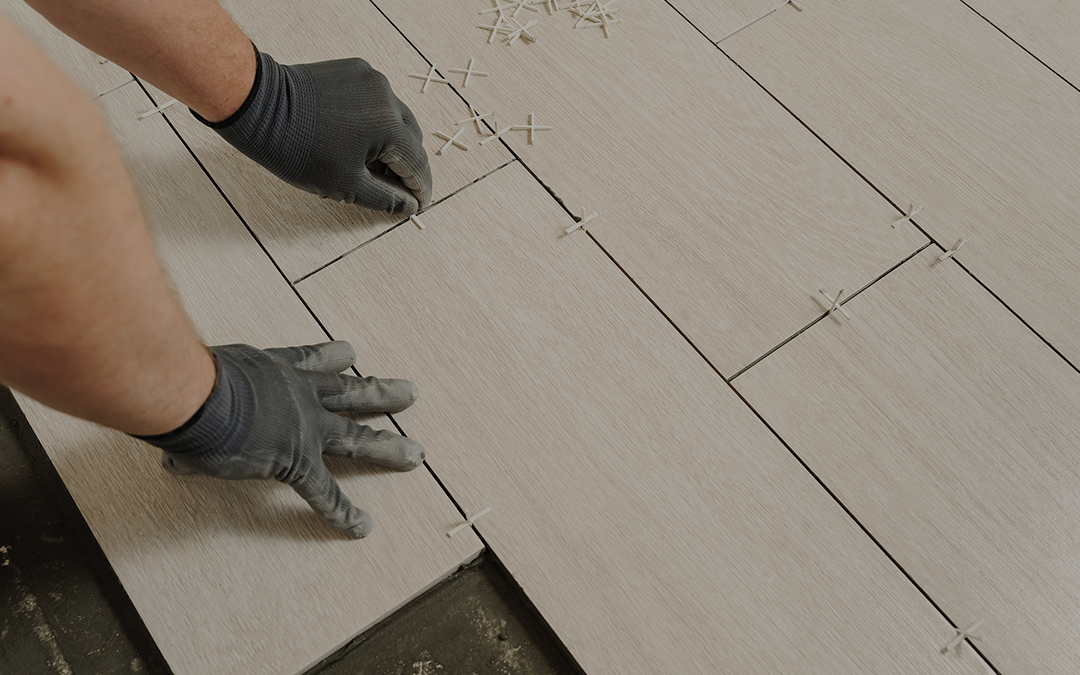
Before finalizing your tile selection, it's important to consider installation requirements.
Larger tiles generally require a flatter surface and professional installation to ensure proper alignment. Smaller tiles may be easier to fit around corners, curves, and detailed areas.
Consulting with tile professionals can help determine the most suitable tile size for your specific project and layout.
Key Takeaway
Selecting the right tile size involves more than personal preference. Factors such as room dimensions, functionality, maintenance requirements, and design goals all play a role in finding the perfect fit.
Large-format tiles can make spaces feel bigger and more seamless, while smaller tiles offer flexibility and decorative possibilities. Understanding these differences can help homeowners make confident decisions when planning their next renovation or construction project.




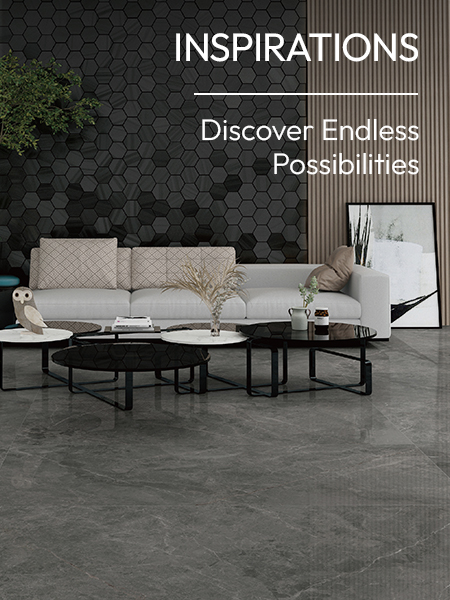
Discover a world of tile inspiration and design possibilities.
From stunning tile patterns and color combinations to innovative tile applications.
Dive into our blogs to explore the latest trends, practical tips for tile selection and
maintenance, and real-life tile transformations.