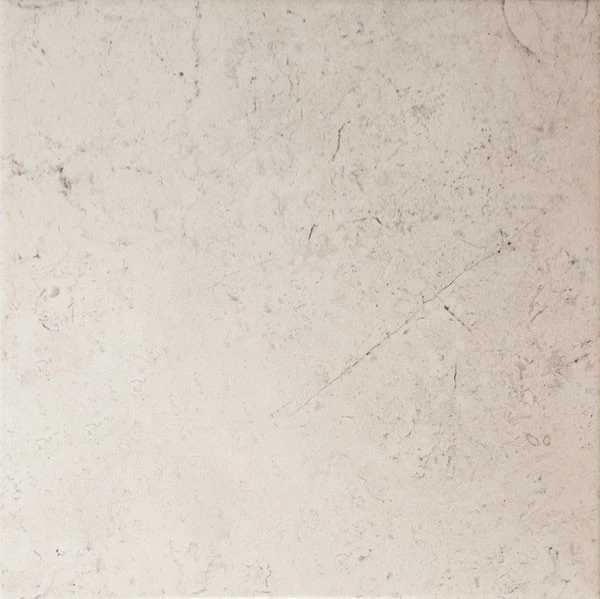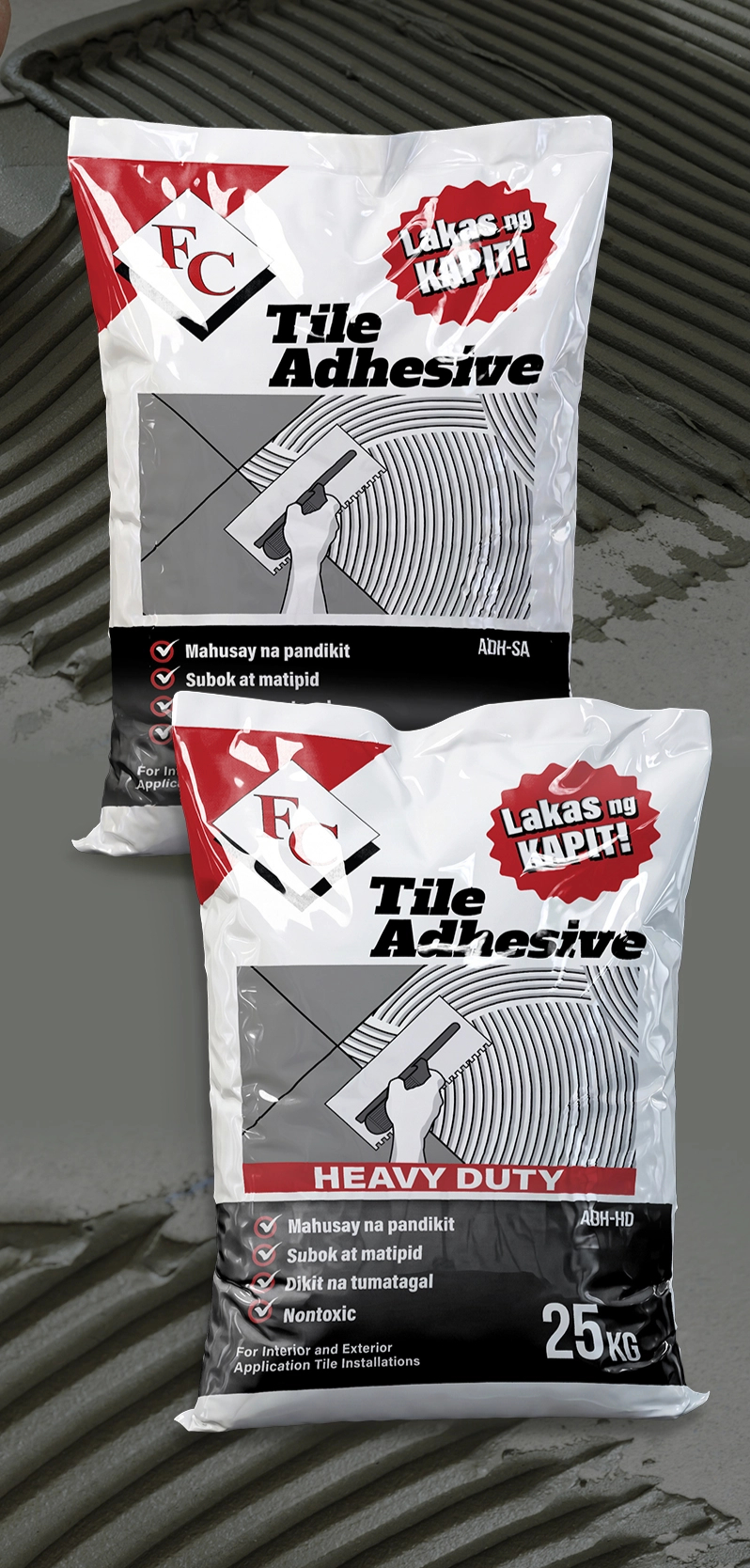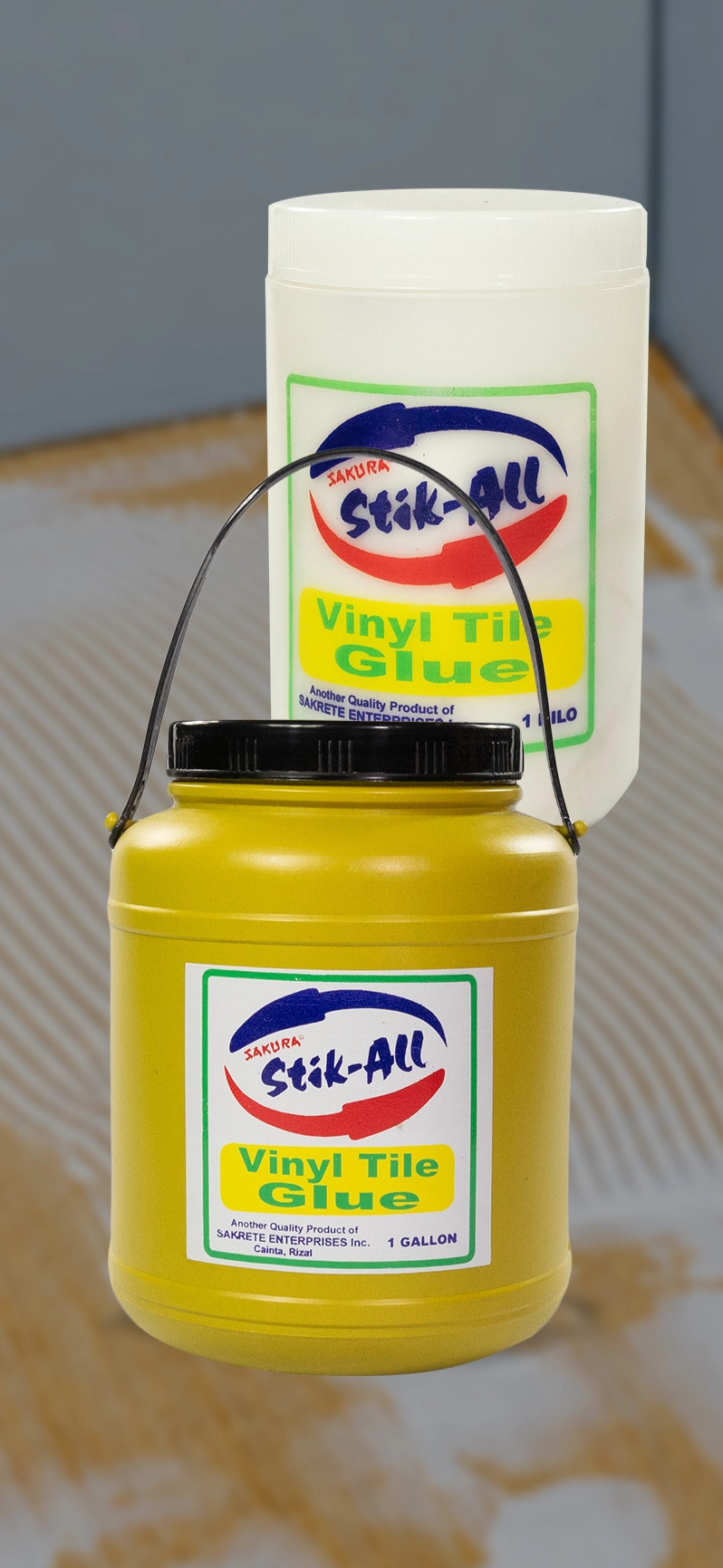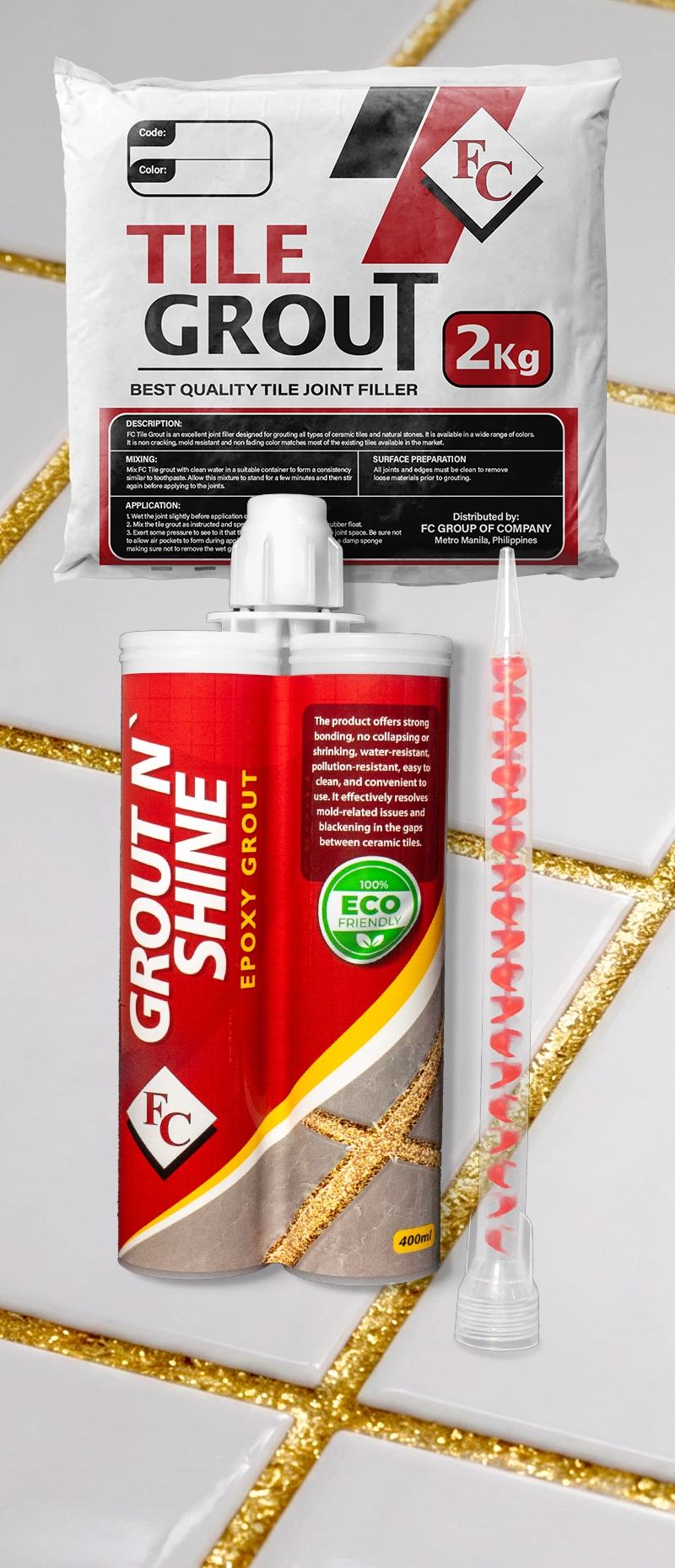

































A successful tile installation starts long before the first tile is laid. While choosing the right tile design is important, proper planning and preparation are equally essential to achieve a durable, attractive, and long-lasting result.
Whether you're renovating a bathroom, upgrading your kitchen, or building a new home, taking the time to check a few key factors before installation can help prevent costly mistakes and unnecessary delays.
Here are some important things every homeowner should consider before starting a tile installation project.
1. Determine the Purpose of the Space
Before selecting tiles, it's important to understand how the space will be used.
Different areas of the home have different requirements. For example, bathroom floors are regularly exposed to moisture, while living rooms experience higher foot traffic. Outdoor spaces may require tiles that can withstand changing weather conditions.
Ask yourself the following questions:
Is the area frequently exposed to water?
Will it experience heavy foot traffic?
Is it an indoor or outdoor space?
Does the area require slip-resistant surfaces?
Understanding the function of the space can help you choose the most suitable tile for your project.
2. Choose the Right Tile Type
Not all tiles are designed for the same purpose.
Porcelain and ceramic tiles are among the most popular options available today, but each offers different advantages.
Porcelain tiles are known for their durability, low water absorption, and suitability for high-traffic and moisture-prone areas. Ceramic tiles, on the other hand, are often favored for decorative applications and residential spaces due to their versatility and affordability.
Selecting the right tile type ensures both beauty and long-term performance.
3. Measure the Area Accurately
Accurate measurements are crucial before purchasing materials.
Measuring the length and width of the installation area allows you to estimate how many tiles will be needed for the project. It is also recommended to account for additional tiles to cover cuts, breakage, and future repairs.
Many professionals suggest ordering extra tiles to ensure consistency in color and design, especially if the same collection may not always be available in the future.
Proper measurements can help minimize material shortages and installation delays.
4. Inspect the Surface Condition
The quality of the installation surface plays a major role in the final result.
Before installation begins, check whether the surface is:
Clean
Dry
Level
Structurally sound
Uneven surfaces can lead to lippage, cracked tiles, and premature damage. Addressing these issues before installation helps ensure a smoother process and a more professional finish.
If necessary, consult a qualified installer to evaluate the condition of the substrate before work begins.
5. Plan the Tile Layout
A well-planned layout can significantly improve the overall appearance of a tiled space.
Before installation, consider:
Tile orientation
Pattern design
Placement of cuts
Alignment with walls and fixtures
Planning the layout in advance helps avoid awkward tile cuts and creates a more balanced and visually appealing design.
For larger projects, many professionals perform a dry layout to visualize the finished result before installation begins.
6. Consider Grout and Finishing Details
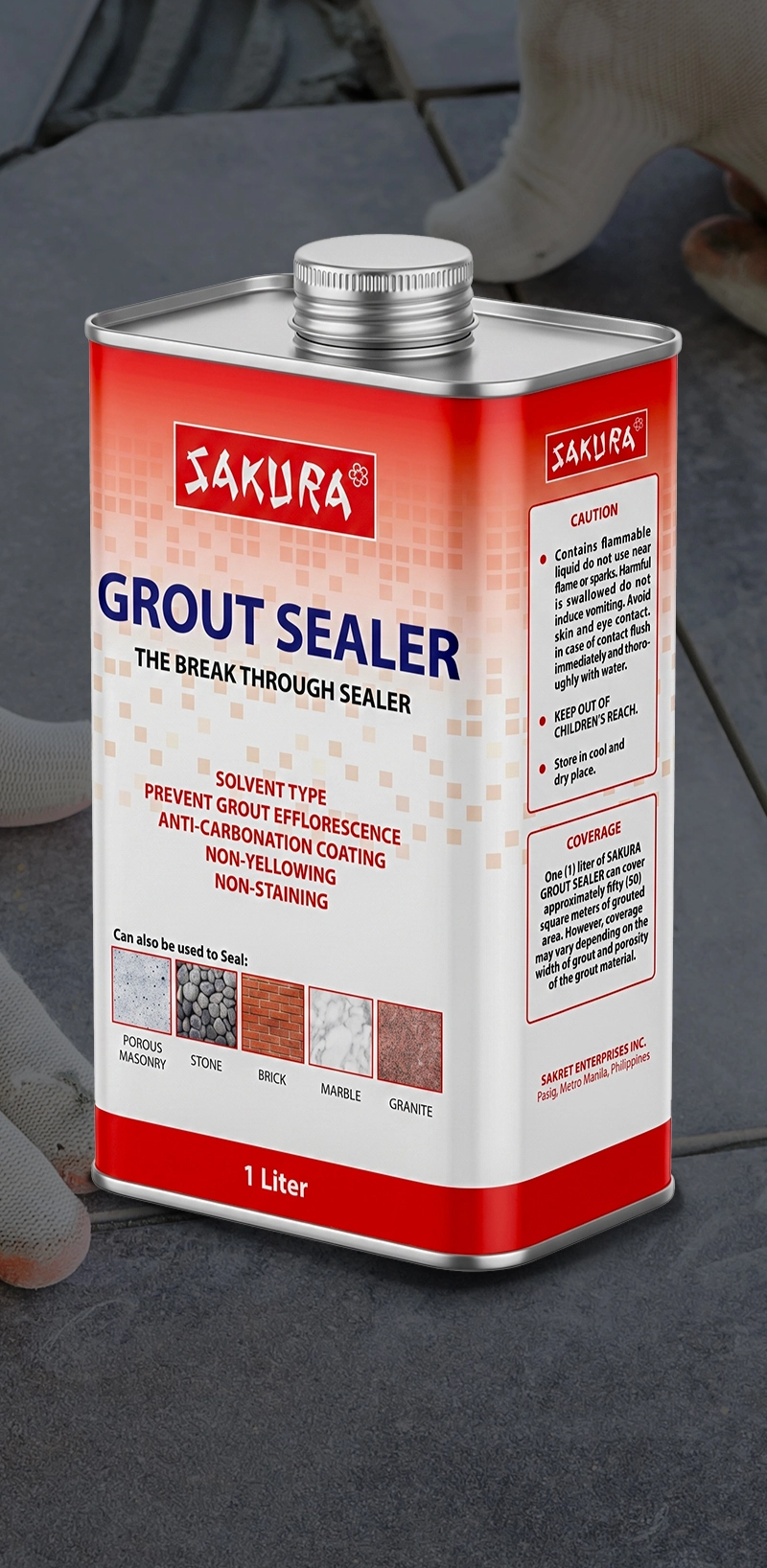
Tiles are only one part of the finished design. Grout color and finishing details can greatly influence the overall appearance of the installation.
Before starting the project, decide on:
Grout color
Grout width
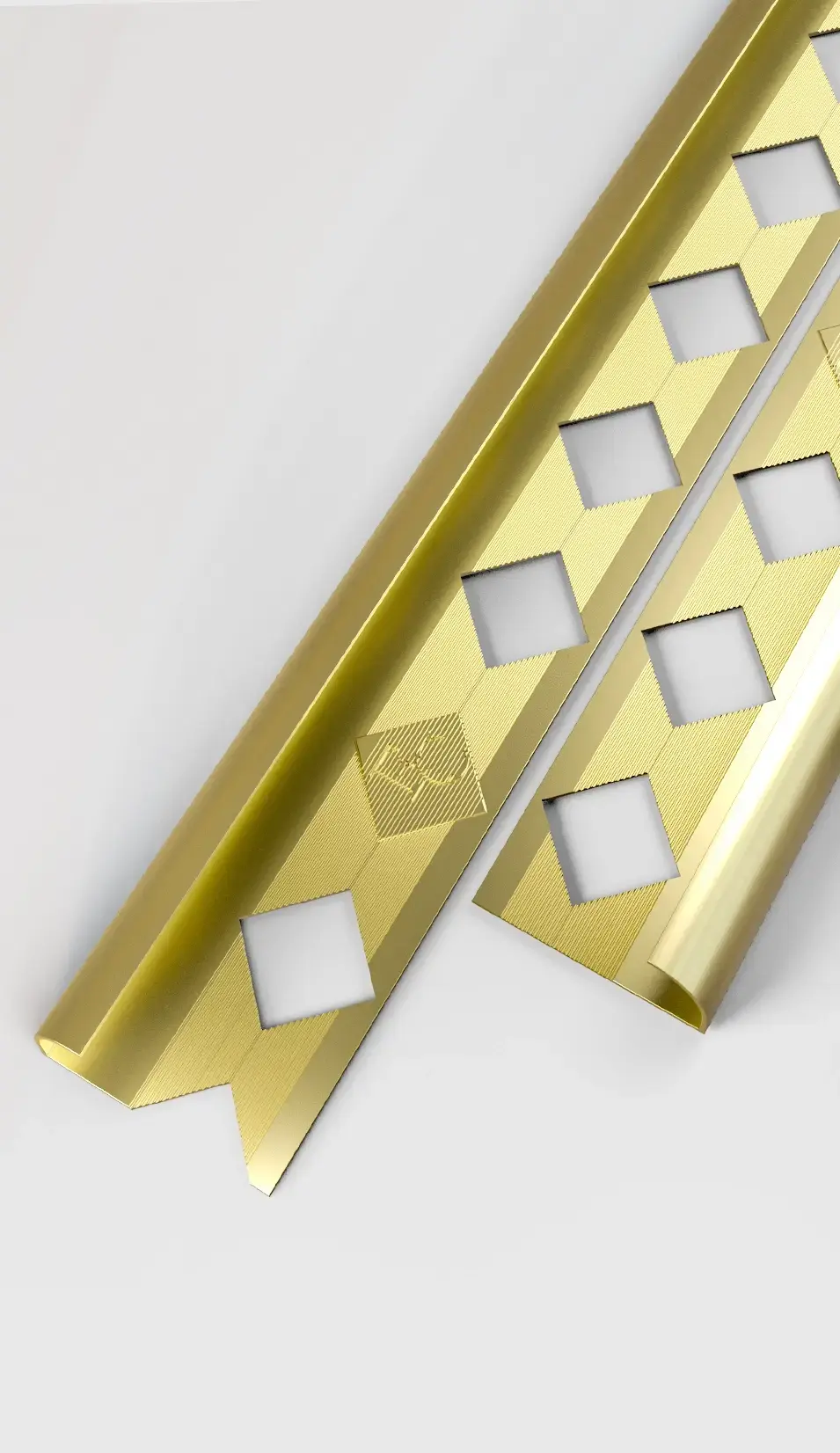
Edge trims and profiles
Transition details between rooms
These finishing elements contribute to the final look and should be considered during the planning stage rather than as an afterthought.
7. Work with Experienced Professionals
Even the highest-quality tiles can fall short if they are not installed correctly.
Working with experienced installers can help ensure proper surface preparation, accurate tile placement, and adherence to industry best practices.
Professional installation can also reduce the risk of common issues such as uneven tiles, cracked grout, and water-related damage.
Choosing qualified professionals can make a significant difference in the success of your project.
Key Takeaway
A beautiful and durable tile installation begins with proper preparation. From selecting the right tile type and measuring the area accurately to inspecting the surface and planning the layout, every step plays an important role in achieving the best results.
Taking the time to evaluate these factors before installation can help homeowners avoid common mistakes and enjoy a finished space that looks great and performs well for years to come.






Discover a world of tile inspiration and design possibilities.
From stunning tile patterns and color combinations to innovative tile applications.
Dive into our blogs to explore the latest trends, practical tips for tile selection and
maintenance, and real-life tile transformations.