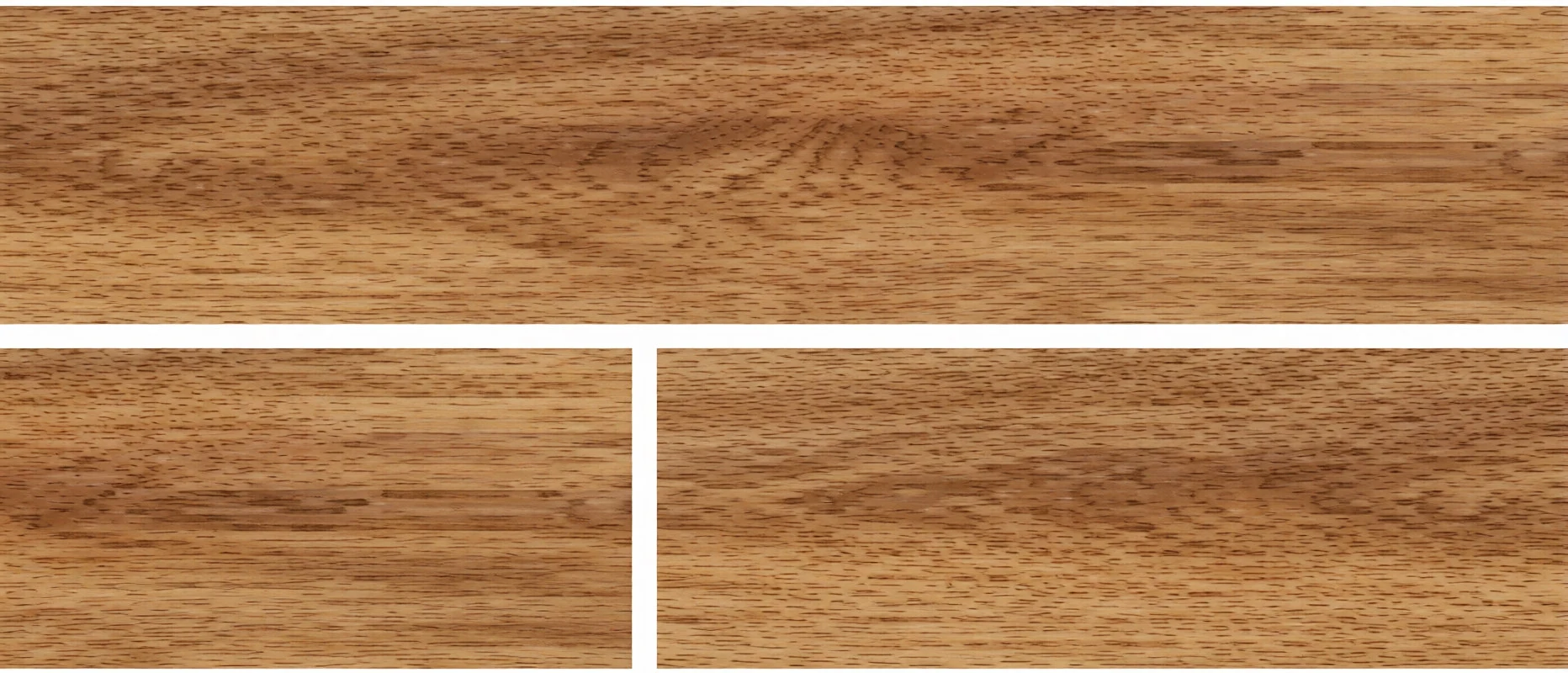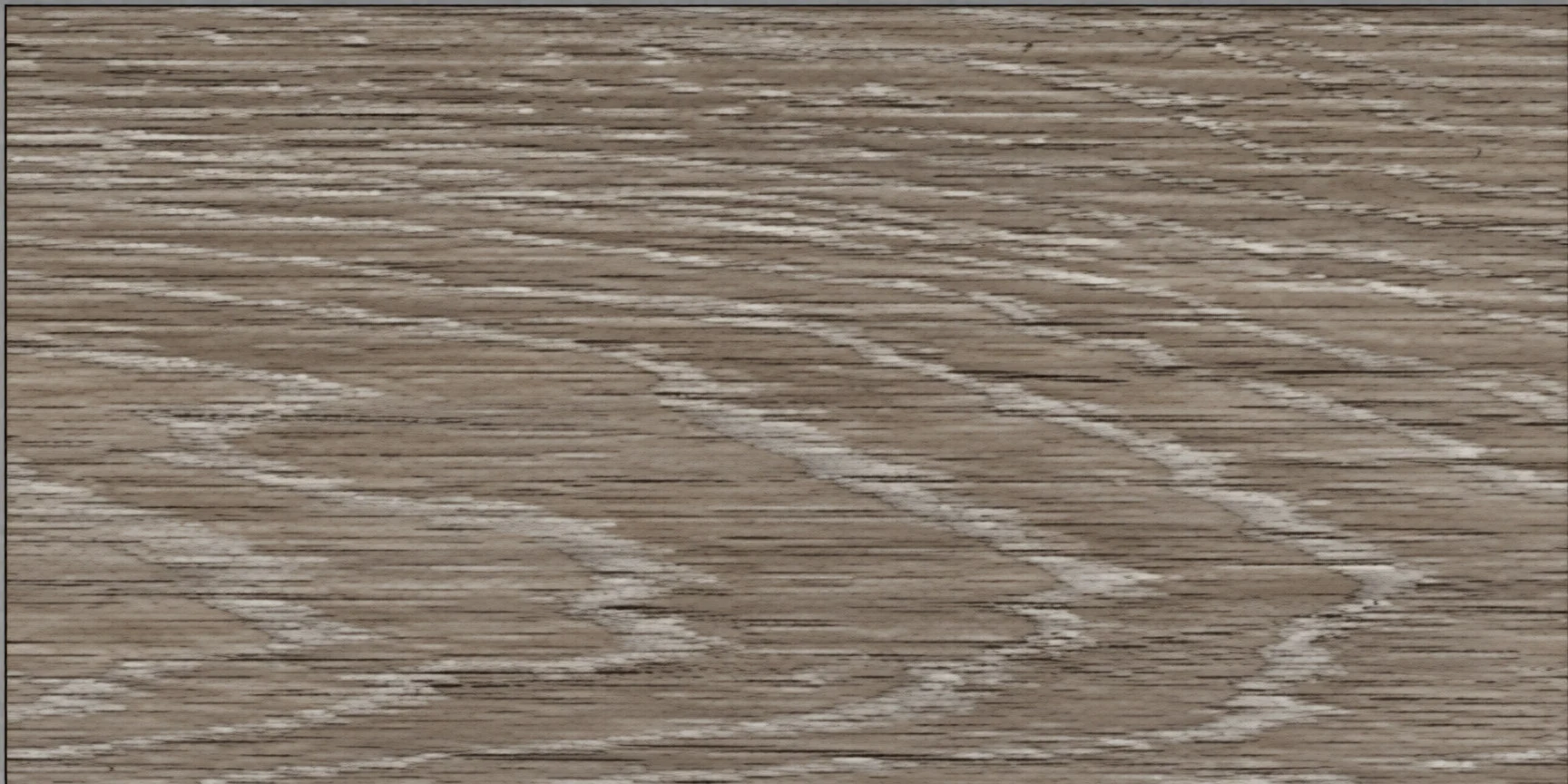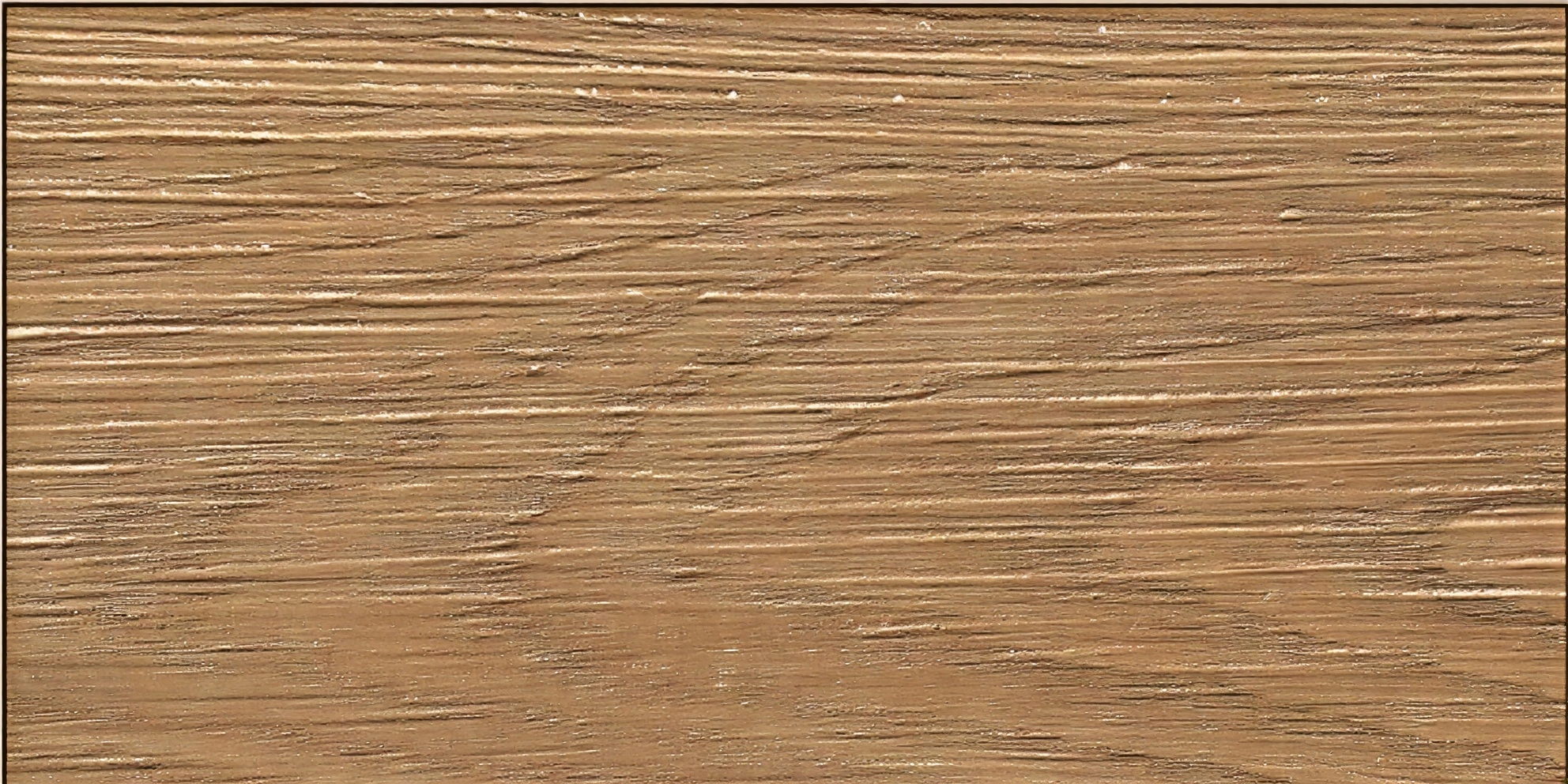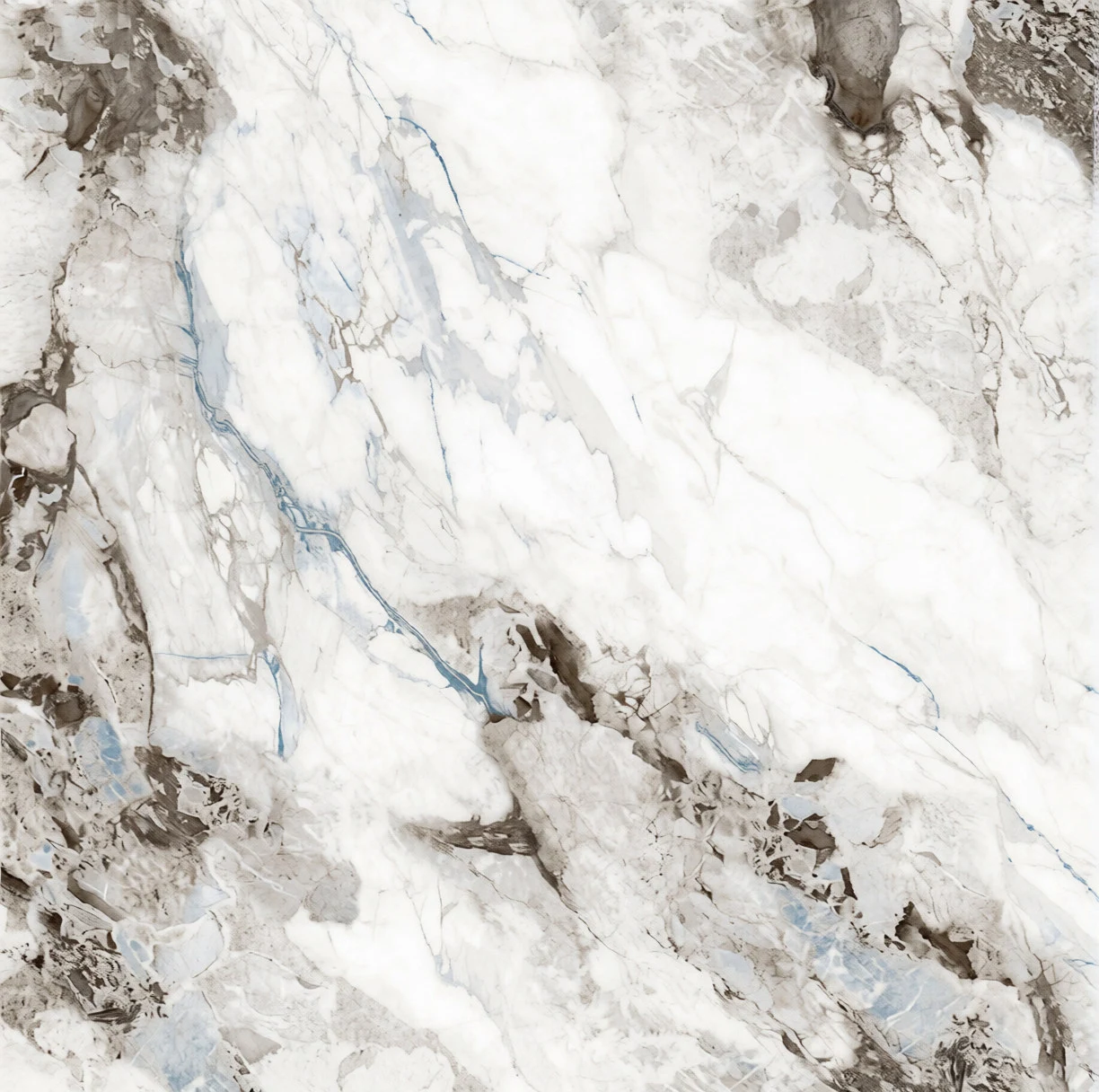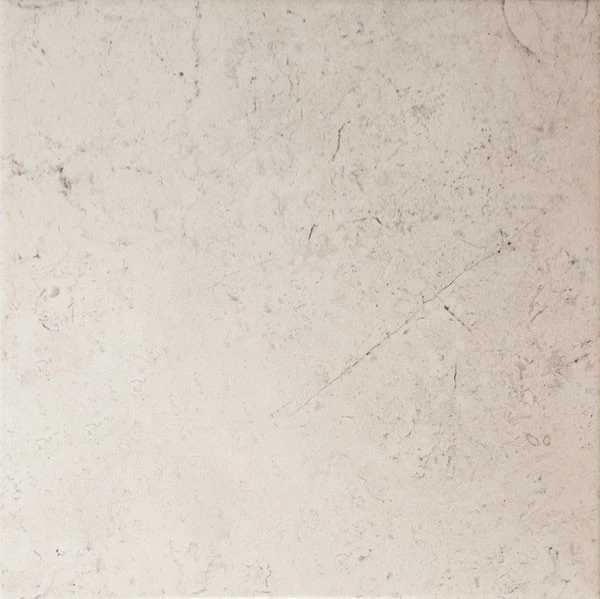
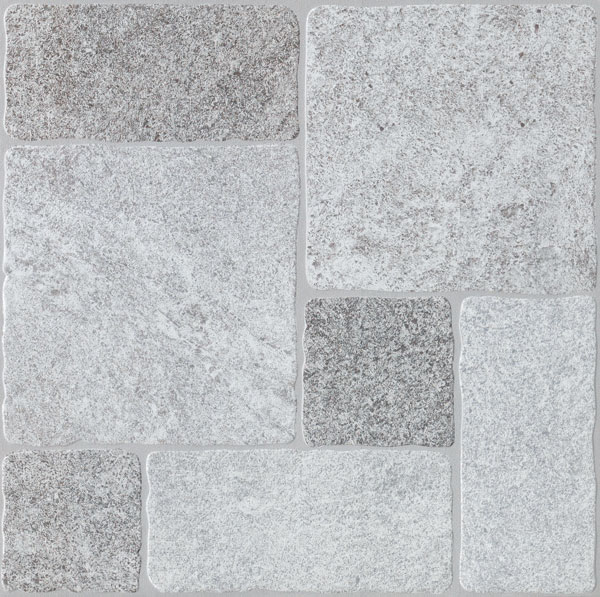
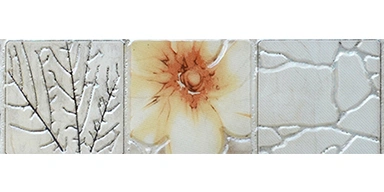
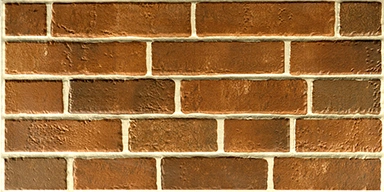
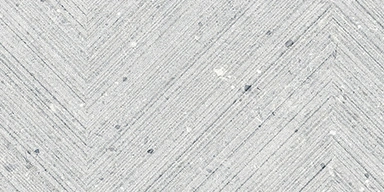
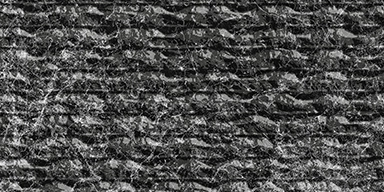
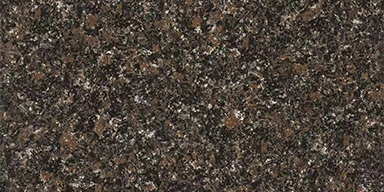
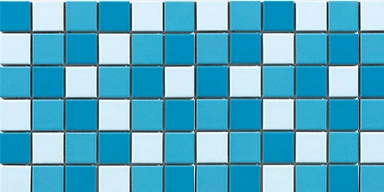


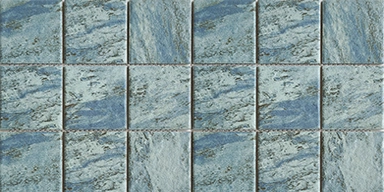
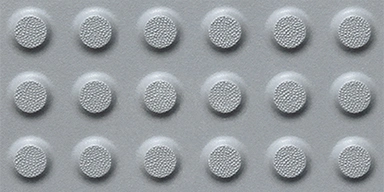

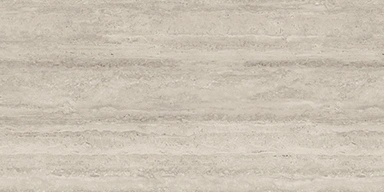
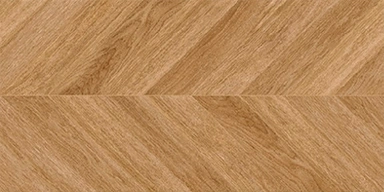





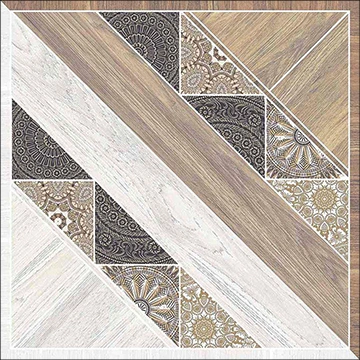
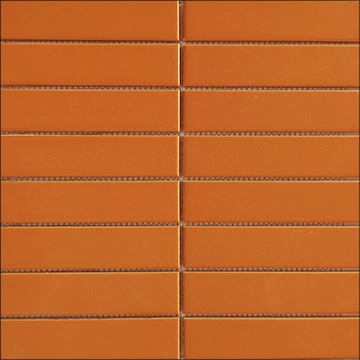


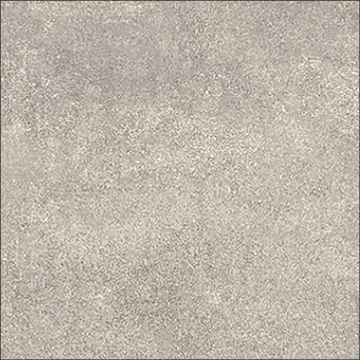
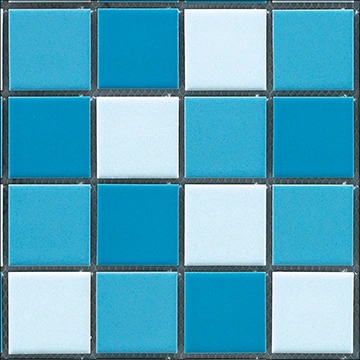

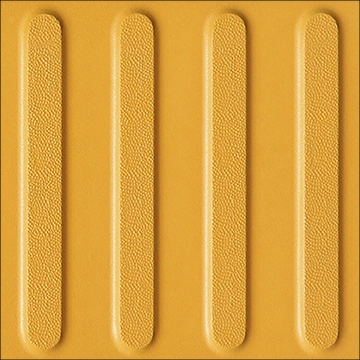

KF205 [30x30]
Bathrooms, powder rooms, laundry areas, and other wet spaces are constantly exposed to moisture, humidity, and water. Choosing the right tiles for these areas goes beyond aesthetics—it also plays an important role in ensuring safety, durability, and long-term performance. With so many tile options available, homeowners often wonder which type is best suited for wet environments.
Understanding the key characteristics of bathroom tiles can help you make a practical and stylish choice for your home.
Here's what you need to know when selecting the best tiles for bathrooms and other wet areas.

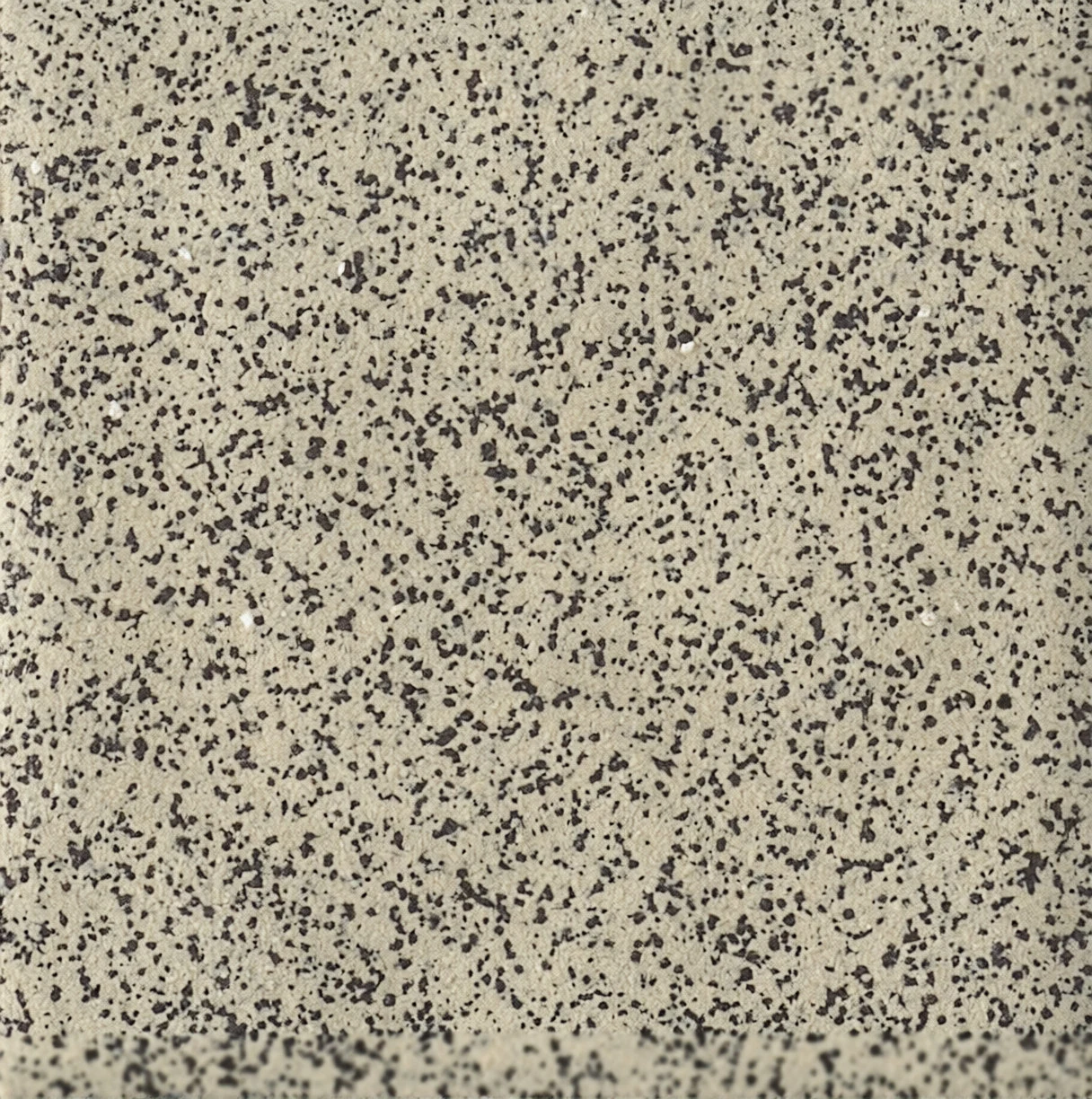
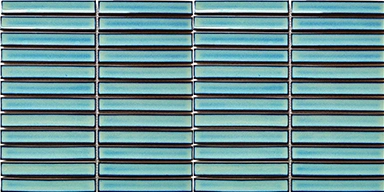
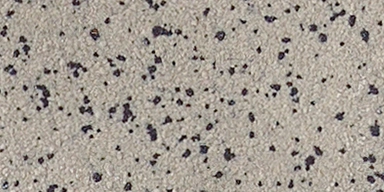
HS3309 [30x30]
One of the most important factors to consider is a tile's ability to resist moisture.
Tiles with low water absorption are less likely to absorb water, making them more resistant to stains, mold growth, and long-term damage. This is especially important in areas where water is frequently present, such as Shower floors, Bathroom walls, and Laundry rooms.
Porcelain tiles are often recommended for wet areas because of their dense composition and excellent moisture resistance.

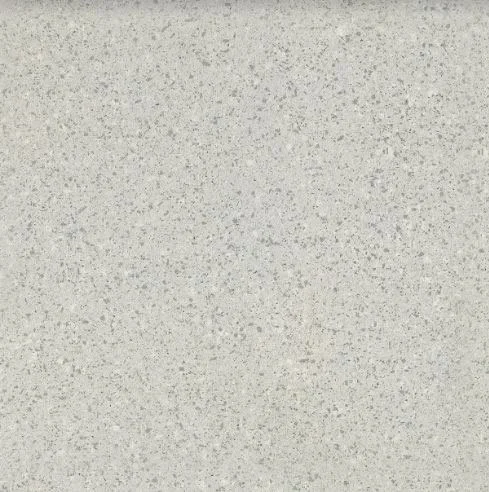
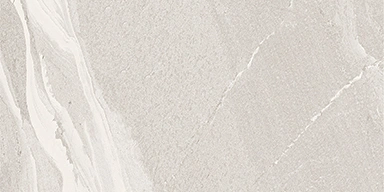
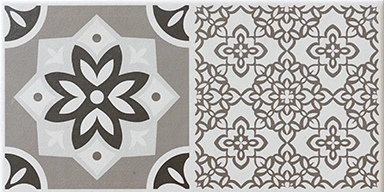
L45 [30x30]
Bathrooms are among the areas in a home where slips and falls are most likely to occur. Choosing tiles with good slip resistance can help create a safer environment for everyone in the household.
Matte-finish or textured tiles generally provide better grip than highly polished surfaces, making them a popular choice for bathroom floors.
For shower areas and other constantly wet spaces, selecting tiles designed with slip-resistant properties can improve both safety and comfort.

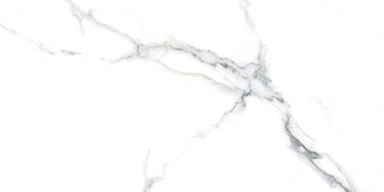
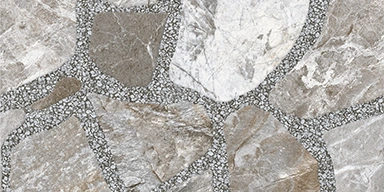
FMW10058M [30x180]
Porcelain tiles are widely recognized for their strength and durability. Manufactured from refined clay and fired at high temperatures, they are designed to withstand daily wear while maintaining their appearance over time.
Their low water absorption rate makes them an excellent option for:
 Bathroom floors
Shower walls
Kitchen floors
Laundry areas
Other moisture-prone spaces
Bathroom floors
Shower walls
Kitchen floors
Laundry areas
Other moisture-prone spaces
Porcelain tiles are also resistant to scratches, stains, and heavy foot traffic, making them a practical investment for busy households.

HS735A [20x20]
Tile size can influence both the appearance and functionality of a bathroom.
Large-format tiles create fewer grout lines, giving bathrooms a cleaner, more seamless look while making routine cleaning easier.
Smaller tiles, meanwhile, are often used for shower floors because they provide additional traction and better conform to floor slopes for proper drainage.
Choosing the appropriate tile size depends on the layout of the room and the desired design aesthetic.

3622 [30x60]
Tile color has a significant impact on the overall feel of a bathroom.
Light-colored tiles can make smaller bathrooms appear brighter and more spacious, while darker tones create a sophisticated and contemporary atmosphere.
Neutral shades such as white, gray, beige, and stone-inspired finishes remain popular because they easily complement a variety of interior styles and fixtures.
When selecting colors, consider both your personal design preferences and the amount of natural or artificial lighting available in the space.

61277 [60x120]
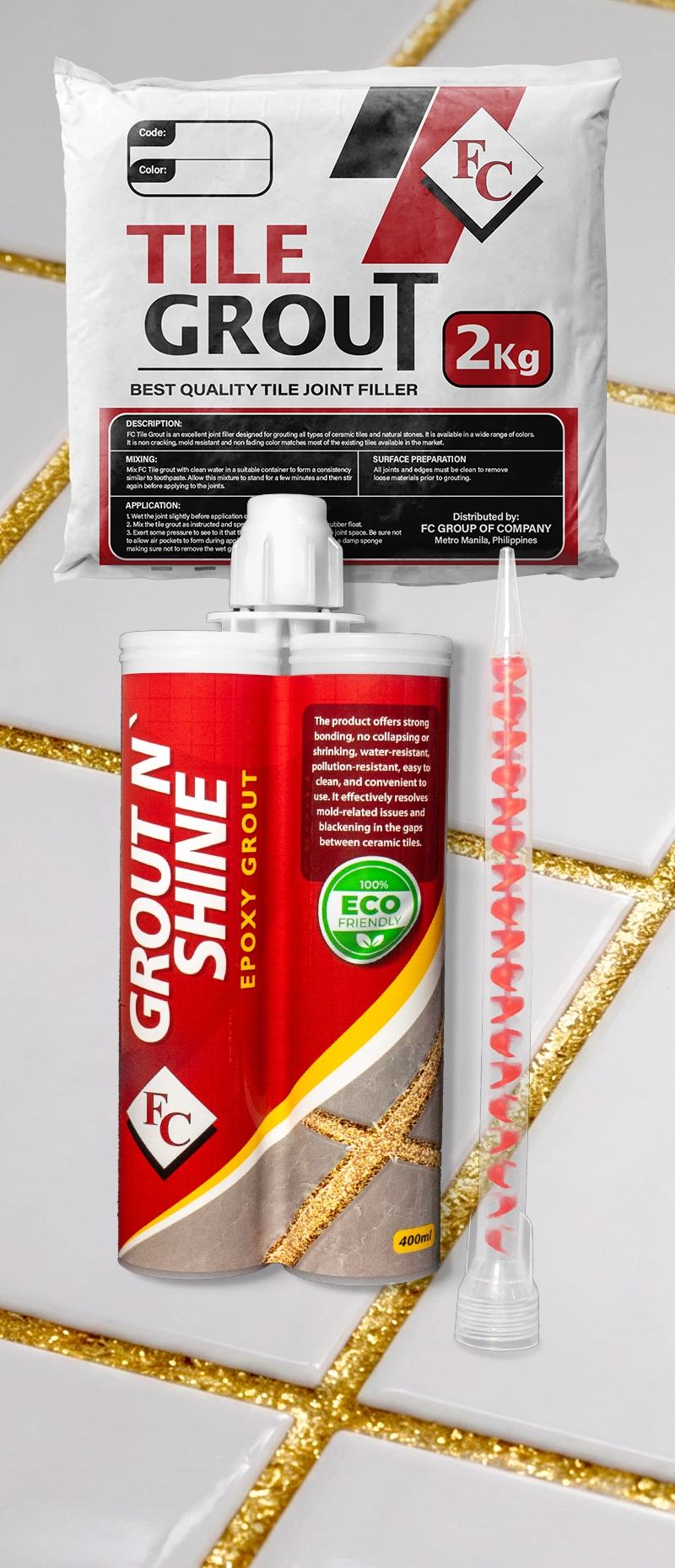
While tiles often receive the most attention, grout also plays an important role in the performance and appearance of wet areas.
Choosing high-quality grout designed for moisture-prone environments helps minimize water penetration and supports long-term durability.
Grout color can also influence the final look of the installation. Matching grout creates a seamless appearance, while contrasting grout can highlight tile patterns and layouts.
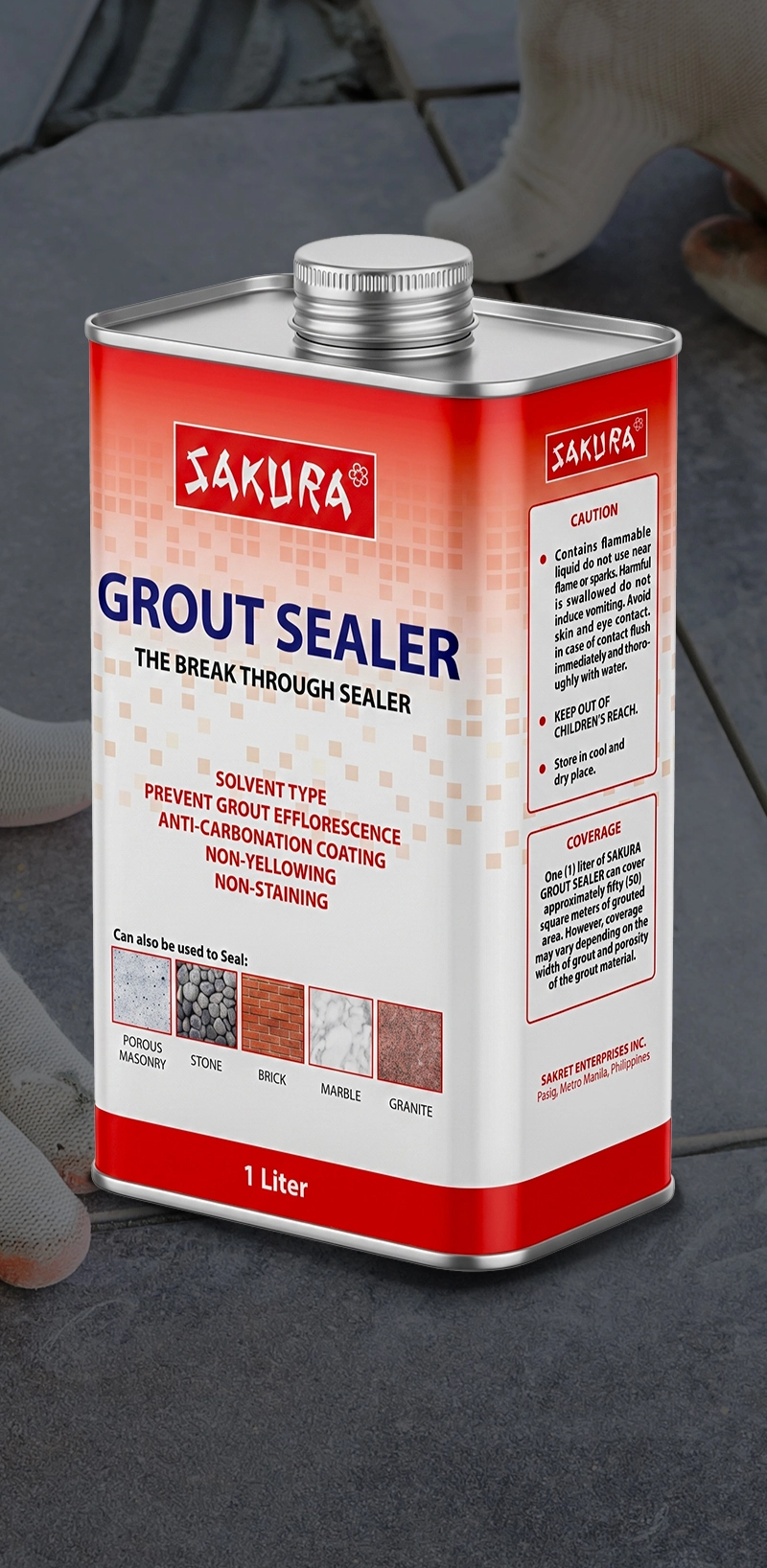
Proper sealing and regular maintenance can help keep grout looking clean and extend its lifespan.

3622 [30x60]
The best bathroom tiles combine both beauty and performance.
While it's easy to focus on design, it's equally important to choose tiles that meet the practical demands of everyday use. Moisture resistance, slip resistance, durability, and ease of maintenance should all be considered alongside color, texture, and finish.
Selecting the right combination ensures that your bathroom remains both stylish and functional for years to come.
Choosing the right tiles for bathrooms and wet areas involves more than selecting an attractive design. Factors such as water absorption, slip resistance, durability, tile size, and maintenance all contribute to creating a safe and long-lasting space.
Porcelain tiles are often a preferred choice because of their exceptional durability and moisture resistance, while matte or textured finishes can improve safety in areas exposed to water. By considering both function and aesthetics, homeowners can confidently choose tiles that suit their lifestyle and design preferences.


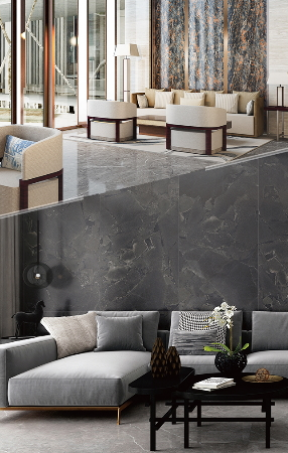


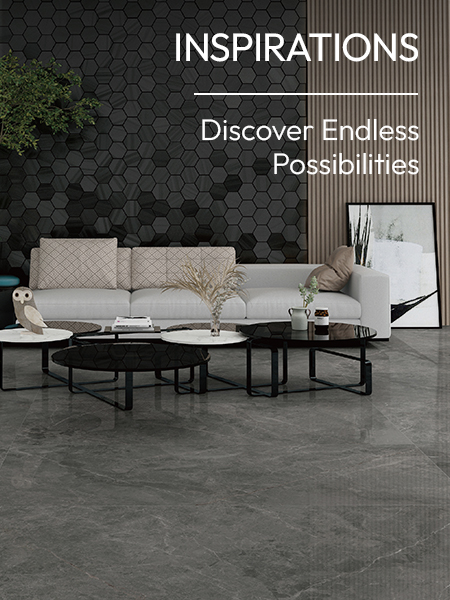
Discover a world of tile inspiration and design possibilities.
From stunning tile patterns and color combinations to innovative tile applications.
Dive into our blogs to explore the latest trends, practical tips for tile selection and
maintenance, and real-life tile transformations.